We thank the Templeton Religion Trust for generously supporting this work. We are grateful for the generosity of time, stories and deep wisdom that participants in this study shared with us – so much more than this report could contain. All spoke with authenticity, candor, care and love. We thank Cal Halvorsen, Senior Research Fellow at CoGenerate and Associate Professor at the Brown School at Washington University in St. Louis, for serving as the research advisor for this study. We are also grateful for input from a group of advisors, including Serena Bian, Marc Freedman, Jeremy Fricke, Rabbi Laura Geller, Danielle Goldstone, Lofton Holder, Raymond A. Jetson, Janet Oh, Daniel Pryfogle, and Ruth Wooden.
Honest Conversations
Faith Leaders on the Real Work of Intergenerational Collaboration
A change has to be made in how the generations see church decisions being made – a paradigm shift from power over to power with.
Rev. Dr. Young Lee Hertig, Innovative Space for Asian American Christianity
Here’s the hard truth: Forging intergenerational relationships will lead to conflict, and if clergy don’t have the skills or support to guide your faith community through tension, you risk losing people.
Rev. Marjorie Wilkes Matthews, Plymouth Jazz & Justice Church
For cogeneration to work, people with power need to think it’s important. They don’t need to like it or find it easy, but they need to be willing to ask themselves hard questions and then do something about it.
Dr. Mark Roberts, Max De Pree Center for Leadership at Fuller Institute
Not all older people want to share power. Some of us want to hold on. And until we name that, we’re not really doing the work.
Rabbi Emerita Laura Geller, Temple Emanuel of Beverly Hills
Intergenerational work is not rocket science. It’s relational. How do we put love into action?
Dr. Pamela Ayo Yetunde, Pastoral Counselor and Author
Developing compassion from the older toward the younger, and respect from the younger toward the older is a loop that perpetuates itself. Those ties are priceless.
Imam Emeritus Shpendim Nadzaku, Islamic Association of North Texas
For centuries, religious communities have been hubs of intergenerational communal life. In them, people have lived alongside one another, celebrated rites of passage from birth to death, mourned losses, engaged in spiritual practice, asked life’s big questions, and wrestled with how tradition speaks to contemporary life. Along the way, intergenerational relationships formed, beyond family and across differences, shaping those communities and the individuals within them.
Today, with increased age segregation and the epidemics of loneliness and social isolation on the rise, intergenerational connection is increasingly rare, and faith communities have not been spared. The result is a loss of what we might call intergenerational infrastructure – the material, relational and spiritual systems that once made connections across age, experience and perspective feel natural, even inevitable.
In fall 2024, with support from the Templeton Religion Trust, CoGenerate began a journey to better understand this shifting landscape, starting with a national survey conducted in partnership with YouGov (see “The Data” below). The results revealed considerable age segregation in people’s lives and real challenges in bridging divides. But they also pointed to a silver lining: Intergenerational collaboration – what we call cogeneration – remains a powerful source of meaning and renewal for faith communities. Spiritual communities, in turn, have the potential to shape the cogenerational landscape of contemporary life.
To understand what lay beneath the survey numbers and how faith communities might realize that potential, we engaged more than 40 leaders – clergy, congregants, thought leaders, theologians, and spiritual innovators – ranging in age from 20 to 85. The conversations were warm and candid, marked by both hope and honest acknowledgment of what makes cogeneration in faith spaces complex and challenging.
This report synthesizes what we learned. We start with insights into what helps and hinders cogenerational efforts in faith spaces, focusing on four insights on culture, conflict, power, and relationship. The next section lifts up the possibility of cogeneration as spiritual practice, including stories from leaders experimenting with new ways to bring generations together. The last section focuses on reflections, with lessons learned, discussion questions, and a conversation guide.
Rather than offering polished success stories or one-size-fits-all models, the leaders we spoke with shared principles beneath the work and the messy realities that make authentic cogeneration both challenging and worthwhile. As such, this report isn’t a template to copy, but an invitation to the slow, sacred work of relationship and culture change within the unique constraints and gifts of your own faith community and tradition.
Whether you are a cogen champion or cogen-curious, we encourage you to sit with what’s offered here and discuss it with both younger and older people in your life. We hope it sparks your imagination and inspires you to test new possibilities where you are.

Eunice Lin Nichols
Co-CEO, CoGenerate

Eddie Gonzalez
CoGen Impact Fellow
The Data
In fall 2024, CoGenerate worked with YouGov to conduct a national survey of 1,500 adults (ages 18 and older) in the U.S. about their religious / spiritual communities, their interaction with older and younger people, and their views on building connections across different age groups. The survey was nationally representative by gender, age, race, education and political affiliation.
Here are a few key findings:
Religiously engaged respondents are more drawn to cogenerational opportunities than their non-religious peers – in their volunteer work, their social lives, even their hobbies.
45% of religiously engaged respondents are more likely to participate in religious activities if offered the chance to build relationships with olders/youngers
When asked what their communities could do to improve intergenerational relationships and collaboration, the most common response was “I don’t know.” People could clearly see the gap but couldn’t imagine what might fill it.
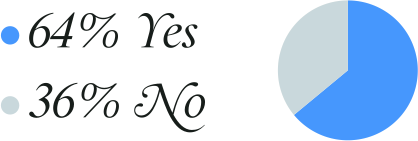
More than a third of religiously engaged respondents say their communities make no effort to connect older and younger members. They cite mentoring, along with intergenerational social gatherings, shared spiritual activities, and community engagement, as promising opportunities, but only a fraction of respondents feel their communities are pursuing them well.
“Does your religious community make efforts to connect older and younger members?”
Source: Can Bringing Older and Younger People Together Renew Religious Communities?


On Language
Throughout this report, we use the terms “faith,” “religious,” and “spiritual” somewhat interchangeably, recognizing that these words carry different meanings for different people. For some, “faith” speaks to personal and collective belief and trust; “religious” connects to organized traditions and institutions; “spiritual” encompasses broader connections to meaning and transcendence. We know these distinctions matter deeply to many readers.
Similarly, when we use “community,” we cast a wide net to include formal religious institutions like churches, mosques, synagogues, and temples; faith-based groups and grassroots spiritual efforts; interfaith coalitions; and communities that identify as “spiritual but not religious.” We spoke with leaders across this spectrum – from traditional denominational clergy to those creating entirely new forms of spiritual community.
Our choice to use these terms broadly reflects our commitment to representing a wide range of ways people seek meaning, connection and transcendence together. We recognize this approach may feel imprecise to those who make careful distinctions between these concepts, and acknowledge that no single set of terms will resonate with everyone’s experience.
What united the leaders we spoke with wasn’t shared language and terminology, but shared questions: How do we create spaces where people of all ages can connect and grow together? How do we honor both ancient wisdom and emerging insights? How do we build communities sturdy enough to hold complexity, conflict and change?
We invite you to translate the insights in this report into the language that fits your own tradition and community, trusting that the principles beneath the words may speak across our different ways of naming what is sacred.
Insight 1 Culture
There are no universal models
Models help us imagine what's possible. They also limit us, because you can't just copy and paste something into the relationships of your community.
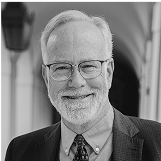
Dr. Mark Roberts, Max De Pree Center for Leadership at Fuller Institute
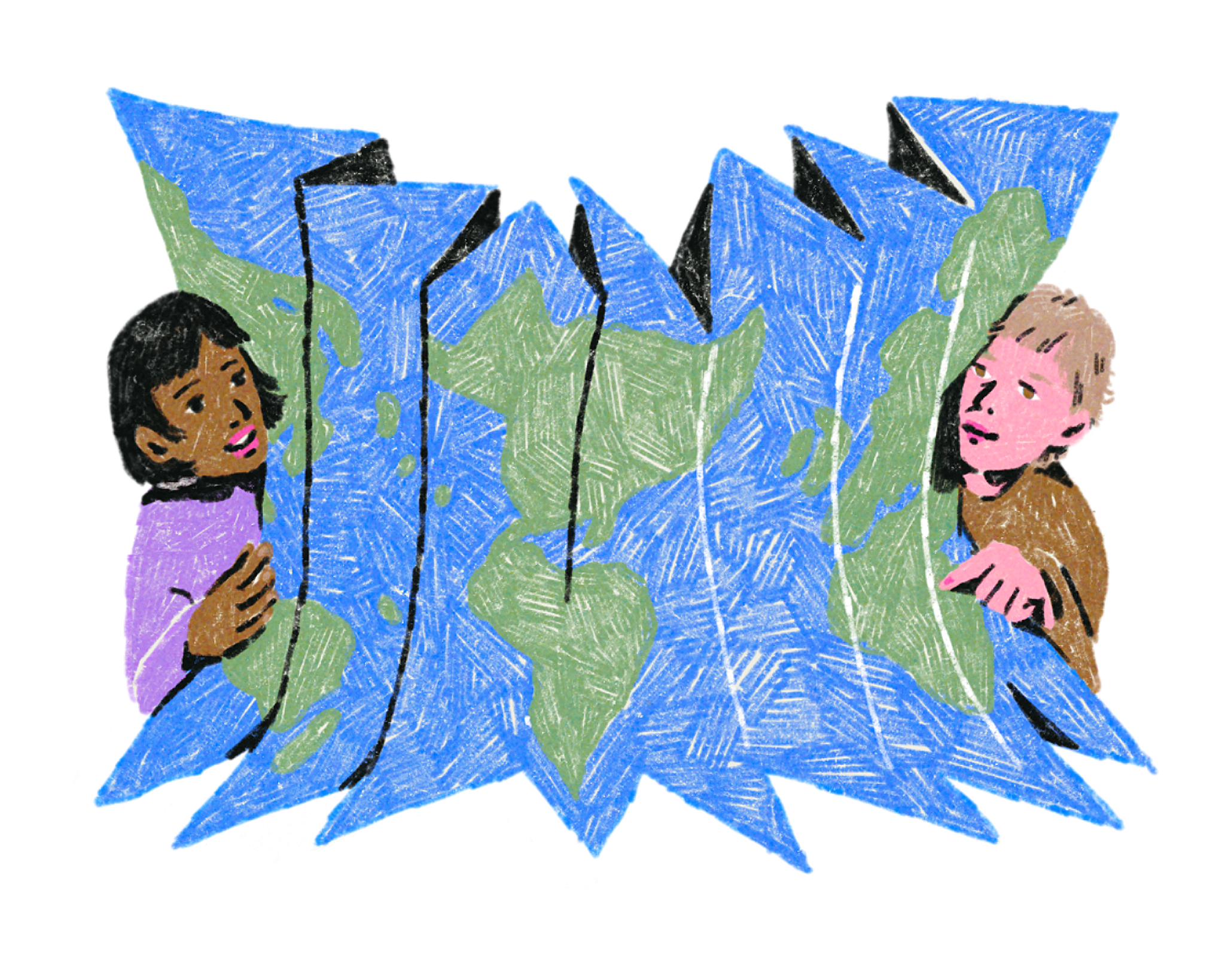
You don’t need to change subjects or create a new committee on intergenerational relationships. Integrate intergenerational awareness into your current subject, into all of your community’s work. That’s how you reach culture change.
 Lucas Johnson, On Being
Authentic intergenerational work requires grappling with a fundamental truth: There is no universal model for intergenerational engagement that works across all faiths and contexts.
The ways generations relate within faith communities are shaped not only by religious tradition, but also geography, race and ethnicity, gender and sexual orientation, economic class, political affiliation, family structure, immigration, and more. Cultural context infuses and shapes everything, making this work deeply nuanced and complex.
Several leaders described how their family and cultural backgrounds influenced their understanding of intergenerational connection, how their beliefs and sense of spiritual community have shifted over time, and how some of the people in their networks and communities might not even identify with terms like “faith community,” “religious,” or “spiritual.” These complexities took different forms – from fluidity of identity to the weight of inherited traditions.
For some, change was portrayed as especially hard when traditions and structures are so tied to people’s memories, identity and understanding of faith. Even things like a specific translation of a sacred text, the arrangement of a room, or the objects in a sanctuary may not just be functional – they may carry a weight that makes attempts at change feel like a transgression, disrespectful of ancestors or sacrilegious.
Yet the leaders we spoke to did not see these complexities as paralyzing. Nor did they believe flattening differences into sameness would help. Instead, they lifted up engaging across difference as a deeply spiritual practice – an opening to richer intergenerational connections and a pathway for communities to become more grounded, empathic, creative and impactful.
Leaders who had nurtured intergenerational community efforts in this way warned against trying to “copy and paste” successful models of cogeneration. Instead, they urged communities to root the work in their own people and stories, identifying the principles beneath successful efforts – the spiritual values anchoring what seems to be working – then adapting those principles and values to their own unique context.
The path forward, they said, involves sustained efforts to better relate to one another, not just better programs. Bringing a cogenerational lens to their ordinary practices of community life and attending to the practical needs of the community’s specific people can be more powerful than launching a new committee or initiative. When a community leans more continually into that kind of intention, it becomes a way of growing into the theological values of stewardship, community care and lineage.
Intergenerational work isn’t a rigid program – it's a culture, a shared orientation. At our church, many people have been pushed or pulled here – from places of origin they had to leave, for work, for safety, for family. They're not just building households. They’re building chosen family.
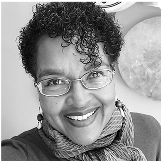 Rev. Marjorie Wilkes Matthews, Plymouth Jazz & Justice Church
 Intergenerational work isn’t a rigid program – it’s a culture, a shared orientation. At our church, many people have been pushed or pulled here – from places of origin they had to leave, for work, for safety, for family. They’re not just building households. They’re building chosen family.
Rev. Marjorie Wilkes Matthews, Plymouth Jazz & Justice Church
Bringing generations together within faith communities has been a task within the task we didn’t realize we were doing.
Michael Poffenberger, Center for Action and Contemplation
If you are doing religious diversity right, you will have to do intergenerational collaboration too. Muslim communities are, on average, about 30 years younger than Christian and Jewish communities. How do you have an interfaith relationship if you haven’t built intergenerational relationships between those communities?
Jeremy Fricke, Naco Heritage Alliance and Camp Naco
Culture becomes increasingly difficult to shift when you throw people’s perception of God into it. What religious people and organizations are really keen at doing is putting in place their traditions, their practices, their structures, and declaring them to be God’s: ‘This is the way God would have us do it.’ And so for young people to want change, that’s not merely changing the structure of our program or our ministry. It’s often seen as doing something ungodly.
Raymond A. Jetson, Aging While Black
Muslims aren’t homogeneous. You’re talking about over 50 countries; the cultures are so diverse. And so when we’re looking at intergenerational relationships, there are so many variables.
Imam Emeritus Shpendim Nadzaku, Islamic Association of North Texas
AAPI churches have their own cultural context in practicing intergenerational ministry. We need to honor these differences with care, so that each community’s unique needs can be nurtured rather than pressed into one uniform model.
Qaisul Takihunang, Pacific School of Religion
As Margaret Wheatley puts it, people need to see something of what they value most being preserved before they will start to travel toward change.
Daniel Pryfogle, Sympara
I grew up in a Chinese heritage church with grandmas, grandpas, aunties, uncles, and many friends that felt like family. But at every other stage after that, finding intergenerational connection and belonging felt like a do-it-yourself endeavor.
Serena Bian, Nuns & Nones
Insight 2 Conflict
Start with repair
Creating new pathways for age inclusion is awkward at first. That doesn’t mean it’s failing – it means it’s forming. There’s something powerful in naming and witnessing that.

Serena Bian, Nuns & Nones

Many of us today are removing friction from our lives, but the friction of relationships helps to make us who we are. Rumi asks, ‘If you are irritated by every rub, how will your mirror be polished?’ Intergenerational relationships are where I’ve experienced that friction the most.
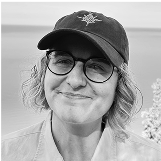 Katie Gordon, Monasteries of the Heart
Conflict in intergenerational faith communities takes many forms. Sometimes it’s the small frictions of everyday life – different communication or leadership styles, contrasting expectations about reciprocity, or generational disagreements about technology, worship, sacred spaces, or the pace of change. At other times, it’s more serious – wounds from exclusion, judgment, or silencing; suspicions that short-circuit connection before it begins; or even abuses of power and real violence that leave emotional and spiritual wounds across time, even across generations.
Leaders we spoke with emphasized that both kinds of conflict matter. Attending to the smaller frictions can prevent them from escalating into deeper divides, while addressing harm directly and working toward repair are necessary for trust and renewal. What unites these experiences is the reminder that conflict isn’t failure. Many told us that tension itself can be a key to unlocking robust community life – if engaged with honesty and care.
In our conversations, we heard stories that illustrate how conflict surfaces in charged ways around current events and politics. And we heard that generational tensions can be particularly intense when conversations turn to subjects like race, gender and sexuality – with community members finding themselves at odds with younger or older members, leaders or even members of their families.
What some leaders experience as entitlement may actually reflect different generational frameworks for reciprocity. Most younger leaders expect immediate and concrete investment – financial and positional – in exchange for their contributions, while most older leaders expect status to be earned gradually through participation. Without surfacing these competing assumptions, both sides can end up frustrated and misaligned.
These are not abstract disagreements – they’re often deeply personal and tied to people’s sense of identity, religious beliefs and highest values. Without attention, even well-meaning efforts can cause new wounds or stir up old ones, especially if communities rely on “business as usual” structures that minimize or dismiss lived experience. Because of this, leaders stressed that faith communities need shared practices and, in many cases, training and support to build systems that actively engage conflict and create constructive pathways through it.
At the same time, we heard how doing this challenging interpersonal work can transform people and their relationships for good. Several people described this as a spiritual practice in its own right, requiring vulnerability, trust, care, commitment and a willingness to be changed. In many ways, it’s a prerequisite to cogeneration; intergenerational communities cannot flourish without it.
The repair work leaders spoke of was not symbolic or a one-time apology. Instead, communities that thrive make room for tension as part of normal life together – practicing how to notice and name conflict, work through disagreement, acknowledge harm, and orient toward repair. Leaders who lean into disagreement as a signal of welcome and belonging often begin the work of repair before reconciliation is even needed.
The communities that thrive are those that anticipate conflict rather than avoid it, acknowledge grief and harm, and cultivate practices of repair and resilience. By tending to what hurts and normalizing friction, they build cultures of trust and resilience, strengthen relationships, reduce the likelihood of deeper wounds, and increase people’s commitment to the community.
If intergenerational work is going to thrive, we have to be willing to talk to one another and figure out how to rebuild trust, how to create safe, meaningful ways to relate. This work rests in vulnerability.
 Deepa Patel, Inayatiyya International Board
 When the Presbyterian Church became more progressive on their LGBT perspectives, all of the people over 55 years old in our church left in a jiffy. It was sad to lose all those intergenerational relationships. People were generous with me as my theology transitioned. Progressive fundamentalists and conservative fundamentalists often don’t have patience or grace for people who are in transition. We need more of that patience.
Nick Warnes, Cyclical
So much of what we do in religious institutions is to keep putting a band-aid on pain instead of saying, ‘Let’s all feel this pain together. What can we do to help people of all ages feel that they are not alone in this pain?’
Jeremy Fricke, Naco Heritage Alliance and Camp Naco
Young people are saying, ‘The older generation is ghosting me,’ and the older folks are saying, ‘I don’t text.’ There’s this stalemate.
Rev. Dr. Gregory C. Ellison II, Candler School of Theology, Emory University
Religious institutions have aspirational values but fall short and don’t always repair the resulting damage. It can render them untrustworthy and unattractive to folks of a particular age who want more from their religious institutions. Given that, even if the institution were to say, ‘I’ve created a space for you. Come!’ they often haven’t addressed their own shortcomings.
Rev. Alicia R. Forde, Texas Methodist Foundation
Both generations have to stretch beyond what’s familiar. We’ve forgotten how to be together. Our muscle for simply being in space with one another has atrophied. The whole point of the path is learning to be comfortable with being uncomfortable, so that more possibilities can emerge.
Michael Poffenberger, Center for Action and Contemplation
Conflict and disagreement can be a sign of a healthy relationship – at the very least, they show we’re able to acknowledge we’re not seeing things the same way. That’s hard, because we often want to fix things. But there’s a big difference between fix-it relationships and come-alongside relationships.
Pastor Emeritus Jim Hopkins, Lakeshore Avenue Baptist Church
It really is a deeply spiritual practice to learn how to listen – and to learn how to listen across generations.
Rabbi Emerita Laura Geller, Temple Emanuel of Beverly Hills
Insight 3 Power
Moving beyond symbolic inclusion
Just because you're older doesn't make you an elder.
Ben Katt, Transformation Coach & Meditation Teacher
We used to host a seminar in which we held cross-generational conversations. The retired generation loved it. The youth were less enthusiastic because they felt like it wasn’t a space for them to talk. The older folks took up too much or all of the air time. They were mostly white, the youth were multi-racial. The dynamics were a challenge. We could not get our older folks to shift and be more open, to step back a little to create more space.
 Rev. Alicia R. Forde, Texas Methodist Foundation
Beneath many of the conflicts leaders described is a deeper issue – how power is held, shared, or withheld across generations. Faith communities and religious institutions often operate on a foundational assumption: Seniority equals authority. As a result, longevity becomes a primary credential for leadership, with institutional memory valued above other forms of wisdom, and the fresh vision and gifts of younger and newer members are easily and consistently sidelined.
The challenge runs deeper than adding younger or newer voices to existing structures. Authentic intergenerational partnership requires moving from gatekeeping to mutual transformation and a genuine distribution of power. It means asking: “Whose voice are we listening to? Who makes decisions? Who controls the budget?”
Several leaders stressed to us the importance of including all generations in planning from the very beginning, asking at every stage, “What does this mean for older adults? For children? For families in the neighborhood?” True inclusion isn’t an afterthought; it’s a design principle.
Including diverse voices without sharing real decision-making authority creates frustration, not transformation. When institutions say “We’ll let you have a voice,” rather than, “Your leadership is essential to our well-being,” they perpetuate the very dynamics that drive people away.
Leaders also suggested that the overwhelming number of non-religious people who say they wouldn’t join intergenerational faith efforts (92% in our YouGov survey) may be responding to how they’ve seen power function in religious spaces before.
The leaders we spoke with called on elders to move from authority to deep listening, learn from people who have gone unheard, and show humility in revisiting practices that may no longer serve. Some communities are experimenting with ecosystem approaches – webs of relationship and shared responsibility – instead of hierarchical models. Others are redesigning leadership structures that require intergenerational collaboration and shared decision-making, where no age group determines outcomes unilaterally.
We also heard about established leaders serving as internal allies and bridge-builders for younger leaders, helping their communities move away from calcified systems by stewarding new possibilities within existing hierarchical structures. Several told us they believe institutional survival depends on this kind of transformation.
But the practical challenges are real. Financial pressures can cause leaders to prioritize those who can sustain the institution materially – usually older members with more resources – creating implicit hierarchies that undermine stated values of inclusion. Why fund new projects led by younger members when it’s easier to encourage their participation within existing structures?
Many communities are now asking if seniority-based hierarchies are preventing meaningful change and growth. Instead of measuring impact through traditional metrics like membership numbers, some are reorienting toward spiritual mission and asking: “Are we creating conditions for deep connection and genuine collaboration across the generations and with our larger community?”
This work requires deep soul searching about how power functions in communities. For institutions discerning their future and long-term vitality, the question might not be whether they can take the risk of redistributing power, but whether they can truly flourish across generations without it.
I see young people being invited into spaces where there’s no real power, no real vision. We’re just reading the minutes from the last meeting and doing business the way we’ve always done it, and they don’t feel empowered or excited about the work.
 Rev. Ian Carr McPherson, Pullen Memorial Baptist Church
 We listen to what kids in each region care about and shape our work around that. It’s not mentorship where adults tell kids what to do – they’re invited in as peers in learning.
Kayla Jacobs, Catholic Climate Covenant
Most of our leaders are old, yet Buddhism is attracting many young, Black folks. When I posed the question, ‘What are we doing to encourage their leadership?’ no one had an answer.
Dr. Pamela Ayo Yetunde, Pastoral Counselor and Author
If I give up power, who am I? What do I lose? That’s not something we talk about much, not in this world of spiritual conversation. But we need to if we’re serious about cogeneration.
Rabbi Emerita Laura Geller, Temple Emanuel of Beverly Hills
Older generations assume that young people will come to them and join what they’re already doing, so they often ask, ‘How do we get young people? How do we find them?’ But younger generations aren’t looking to meet you where you are – they’re looking to co-create with you. Intergenerational work requires mutuality. It’s not about inviting others in, it’s about building something together.
Katie Gordon, Monasteries of the Heart
There’s this survival mindset amongst elders to get young people involved, but often in ways that reproduce their religious DNA, but young people don’t want to go anywhere near that. Here’s the paradox: the moment you abandon the self-survival instinct, you create an energy people want to be part of. The spaces that feel alive aren’t the ones turned inward, just preserving themselves. They’re the ones out in community, doing creative work – grounding, shaping, channeling that energy to grow us up.
Michael Poffenberger, Center for Action and Contemplation
Asian American congregations are younger than mainstream churches, and yet those young people are not included in decision-making bodies because they are seen as children. The concept of cogeneration – ideally and aspirationally – is wonderful, but implementing mutuality can be a foreign concept.
Rev. Dr. Young Lee Hertig, Innovative Space for Asian American Christianity
I’ve experienced the joy and the trauma of passing on my leadership role to a younger leader – and now reporting to her. Ultimately the joy, huge joy. But we need to recognize how complicated this is, not only institutionally, but relationally – and personally. It was hard for me, and I think it’s good to own that. But what I wanted our organization to become made it worth it.
Dr. Mark Roberts, Max De Pree Center for Leadership at Fuller Institute
Insight 4 Relationship
Everything else depends on it
We need to push back against the force of transactions and embrace the fact that intergenerational connection is relatively inefficient – maybe even painfully inefficient – but really effective at enabling people to go deep and uncover their own stories.
Doug Wilson, Telemachus

There’s a difference between saying ‘welcome’ and really getting to know someone – knowing their story, what they love, what gives them joy. When that’s your approach, all relationships, including intergenerational relationships, are richer and deeper.
Rev. Marjorie Wilkes Matthews, Plymouth Jazz & Justice Church 
Even when culture and context are intentionally considered, tension is embraced, and power is redistributed, cogeneration rises or falls on something more basic – whether people actually know and care for one another. Everything else, from addressing conflict to creating sacred space, depends on whether people care about each other enough to sustain the challenges of working together.
Programs and strategies can support connection, but it is the daily practice of being in relationship that sustains community over the long haul as people share stories, get to know each other’s friends and families, and walk with each other through both joys and struggles.
Enduring intergenerational connections often form around mutual needs and a shared stake in one another’s well-being. Young adults facing isolation and older adults seeking meaningful connection discover natural partnerships when they recognize mutual longings that can be fulfilled together, like having someone to share a meal with, having someone check in on them, or finding companionship in prayer or study. It’s not a matter of choosing between building relationships or pursuing action; both are essential.
True connection and relational depth require curiosity, presence, reciprocity and the unhurried rhythms that allow organic relationships and trust to grow. Institutions that create a new structure – a department or committee – or over-index on attracting an intergenerational crowd through fun-driven programming can end up flattening both depth and authenticity in the process. In the end, lasting connection to a spiritual community depends less on flashy initiatives than on grounded relationships sturdy enough to hold vulnerability and complexity.
Often, consistent low-key interactions are what seeds these kinds of relationships – small gestures of genuine interest and respect, a culture of welcome and hospitality, a sense of safety and sanctuary, both physical and spiritual. Being seen, known by name, and treated with kindness in everyday interactions matters. A simple coffee with someone of a different generation, or a check-in without an agenda, can carry deep meaning and signal care.
When intergenerational relationships falter, reciprocity is often the missing ingredient. For instance, mentoring programs can fail when the mentoring is only one-way. Older adults who cling to a sense of spiritual authority or expertise without doing the inner work of welcoming a mutual exchange can undermine their credibility as true elders, not to mention their approachability. And generational tensions can devolve into shame-based teaching or dismissal when what’s needed is mutual invitation and grace.
Religious communities can help by treating conflict and relational skills as spiritual disciplines, not just abstract values. For some, that might mean doing work in age-based cohorts first, building psychological safety and preparing strategies for engagement before entering cross-generational settings where tension or disagreement is more likely.
Building relationships that last takes intentional, sustained effort and leadership. Even in communities that value intergenerational connection, reality often lags behind aspiration. Multigenerational inclusion may be part of a community’s language and intention, but its full realization is always a work in progress, sustained not by programs alone, but by the patient, everyday work of showing up for one another in love.
Proximity alone doesn’t guarantee intergenerational relationship – it takes proximity and shared purpose. When people struggle to imagine new ways of connecting across generations, maybe the question isn't just about new forms or programs but about new purposes.
Serena Bian, Nuns & Nones Everything that’s good in my life has come from intergenerational community. Long before I grew white hair and was an elder, I was a child and a young adult and a householder and now a young elder. I’m taking my place in the order of things and the reason I know anything about how to do that is because of the streams I have been able to step in from elders before me.
Sue Phillips, West Co.
In religious communities, we’re all about the formation of young people. That often means we don’t feel like we can also be informed by them. I think if the current religious landscape is telling us anything, it’s that we should be doing more two-way engagement and listening.
Danielle Goldstone, innoFaith
I remember we had a social justice committee where young people showed up, and the older members were like, ‘Fresh energy!’ and they threw all their ideas onto the young people. And so you know what happened at the next meeting? None of the young people showed up. They ran out the door thinking, ‘Okay, this is not a space for us. It was created by these older people. They want to do their same stuff, but they just want us to do their work for them.
Rabbi Andrea London, Beth Emet
I feel developmentally stunted by not living in a more intergenerational space. Not because I’m doing something wrong, but because something I need just isn’t there. There is such a critical piece of the puzzle that feels like it’s missing for me. Some part of me is not being nourished, tended to, or growing.
Mariel Rosic, Stanford Life Design Lab
We had two cohorts of churches working on how to create spaces that are welcoming, inviting and meaningful for young adults. Each team had three senior staff members and two young adults. You would be amazed how many churches couldn’t find two young adults to participate. We actually had to hire students as consultants to those churches.
Rev. Dr. Gregory C. Ellison II, Candler School of Theology, Emory University
Faith communities are one of the few places in our society where there is legitimately intergenerational community. It’s one of the reasons I gravitated toward ministry in the first place.
Arif Mamdani, First Universalist Church of Minneapolis
Our older LGBT members yearn for spaces to get to know younger queer folks in the community. Young people – especially those who feel isolated – say they really value the cogenerational connections they’re making. Maybe they’re queer and there’s tension with their family, or they’ve moved here for grad school and are far from home. Churches can offer a kind of chosen family that they wouldn’t have otherwise.
Rev. Ian Carr McPherson, Pullen Memorial Baptist Church
Interviews Practice
Here’s what 18 faith leaders are doing to bring generations together as spiritual practice – in their rituals, daily rhythms, physical spaces, organizational structure, and relationships. We invite you to listen in on these conversations and let them spark your imagination – from cogenerational strategies that transform entire institutions to small shifts in design or perspective that unlock new possibilities.
A radical experiment in intentional community
Sister Judy Carle and Serena Bian, Nuns & Nones (Nones are those who check “none” when asked their religious affiliation.)
If we’re going to make any changes in the world, we need to create a different culture of learning and unlearning – to surround children with adults who aren’t just teaching them, but are open to being influenced by them. To say, ‘You’re a mystery. A complete and utter mystery. What does it mean to be that mystery?’ That openness is an important quality of intergenerational work.
Deepa Patel, Inayatiyya International Board Just yesterday, a 30-something colleague texted, ‘Hey Jim, you got time for coffee?’ He didn’t have an agenda. He just wanted to know how I was doing. That was deeply meaningful. A rising star in his field, and he just took a moment to check in. That was a beautiful way of coming alongside.
 Pastor Emeritus Jim Hopkins, Lakeshore Avenue Baptist Church
Don’t be a pain-in-the-ass elder
Rev. Tandi Rogers, Meadville Lombard Theological School
Build relationship first
Rev. Dr. Young Lee Hertig, Innovative Space for Asian American Christianity
Younger people don’t go to church to feel good. They want a strong personal ritual, connection to community, and to help marginalized people through those communities. And if none of those feel right, they leave. That’s true for young people at the staff and membership level as well. I feel like most religious institutions are getting away from all three of those things.
 Jeremy Fricke, Naco Heritage Alliance and Camp Naco
 Figuring out how to nurture children by bringing them into contact with adults who are worshiping and praying, that feels to me like ground zero. The dinner table would be a close second. It’s the next most sacred place where generations come into contact with each other.
 Dr. Josh Packard, Future of Faith
From seminary to intergenerational campus
Rev. Dr. David Vásquez-Levy and Qaisul Takihunang, Pacific School of Religion
Use music as a bridge
Rev. Marjorie Wilkes Matthews, Plymouth Jazz & Justice Church
I used to joke: Just add alcohol, and you’ve got a 20-something program. But what I started to see – especially in a university-adjacent congregation – was that young people were aching for something deeper. They wanted connection, not just to others, but to something meaningful. And when that was offered, people became stand-in families for each other.
 Rabbi Joshua Lesser, Congregation Bet Haverim
 What made our intergenerational work strong was that we had our own generational cohorts. We needed friendships with each other before we could show up in shared space together.
Katie Gordon, Monasteries of the Heart
Prioritize bi-directional, cross-cultural communication
Imam Emeritus Shpendim Nadzaku, Islamic Association of North Texas
The power of cogen rituals to bridge divides
Liv Schaeffer, Dance Generators
Live life together
Rabbi Emeritus Laura Geller, Temple Emanuel of Beverly Hills
You don’t just pass the baton in the middle of a relay race. Actually, what you mostly do is practice the passing of the baton. I want to know, young person, if you’re willing to practice the baton-passing with me. And that means we do it again and again and again. I get to practice giving. You get to practice taking. We just don’t have many models where we can practice the give-and-take of power.
 Raymond A. Jetson, Aging While Black
Celebrate “living history”
Rev. Ian Carr McPherson, Pullen Memorial Baptist Church
Case Studies Reflections
“This feels like the perfect time to rethink intergenerational work – not just through little moments, but through some really cool experiments.”
Deepa Patel, Inayatiyya International Board
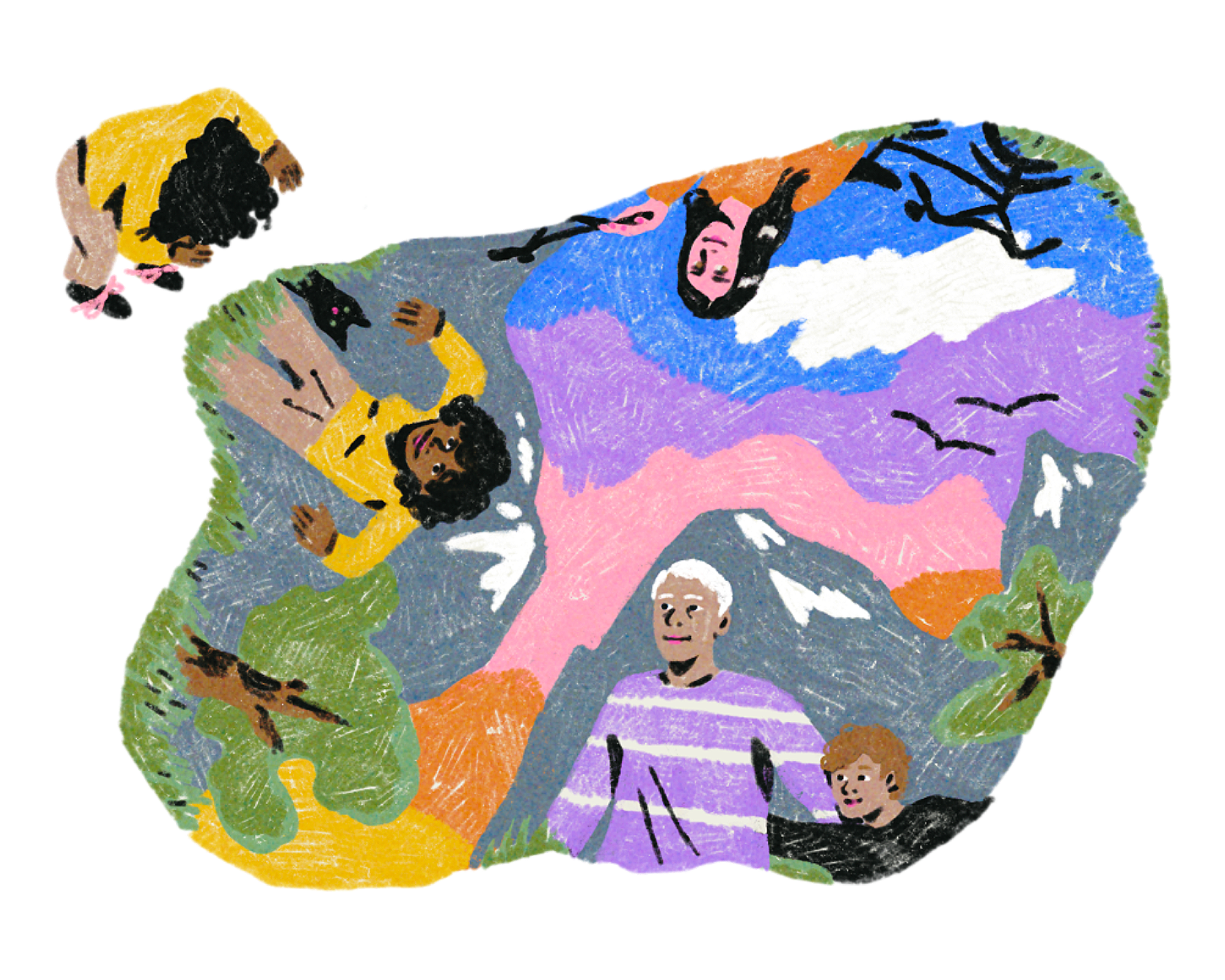
The path toward cogeneration isn’t about replicating successful models from other contexts but about discerning which principles and practices can take root in your community’s particular soil. Still, lessons learned can inform your thinking about what might work in your community. We invite you to jump into the content below with the older and younger people in your life and in your faith community. We hope it will challenge you – and inspire you to action!
Case Study #1
Transform Your Existing Gatherings
- Minimize
+ Read More

The challenge
Faith communities already host gatherings that are, or could easily be, intergenerational, but they often happen without intentional design for cross-generational connection.

Something tried
A rabbi reimagined a traditional Tu BiShvat (Birthday of the Trees) celebration. Instead of the usual programming, he moved the event to a seltzer brewery and asked a young synagogue president to invite his friends, even the ones who aren’t Jewish.
How it worked
Thirty-five people gathered (half under 40, half over 60) around a beautiful “char-fruitery” board pairing different fruits with craft seltzers. After a brief spiritual teaching (under 10 minutes), reflecting on how the fruit and seltzers related back to the holiday’s meaning and mysticism, participants were paired across generations for structured conversations about spiritual themes. All participants, including introverts, physically moved around the space and changed partners between rounds, creating unexpected connections. “We’re all beginners here,” the rabbi told the group.

What happened
People didn’t want to stop talking. Older and younger generations alike said they specifically appreciated the cross-age conversation. Young participants later told the rabbi: “If religion had been like this growing up, we could imagine staying connected to spiritual community.”

What made it work
Clear purpose, personal invitations through existing relationships, conversation-centered design, attention to all the senses, and framing that put everyone on equal footing regardless of age or religious experience.
For Reflection
- What existing celebration or gathering could you redesign?
- How might you structure it so conversation between generations becomes the heart of the experience?
Case Study #2
Create safe spaces for hard conversations.
- Minimize
+ Read More
The challenge
In many faith communities, cultural norms and age-based hierarchies can prevent honest communication across generations, leaving youngers and olders feeling isolated, underappreciated and misunderstood.
Something tried
A Muslim congregational leader serving a diverse, immigrant community began hosting intentional, cross-generational dialogues. These conversations were "almost taboo" in the ways they invited comments that may have never been said across ages before.
How it worked
The dialogues brought together community members across ages (including parents, children and extended family) to share experiences and express feelings that were under the surface, oftentimes related to displacement and cultural adaptation. Older adults could express feelings of sacrifice and stress, having started over in a new country without the support networks they'd left behind – for example, fathers who were doctors back home now driving for Uber, and mothers feeling “under house arrest” without support from neighbors or family. Youngers could share experiences growing up in a different culture, including identity struggles and microaggressions at school. The leader facilitated space for each age group to share and listen, creating opportunities for genuine recognition of different hardships.
What happened
Elders were initially challenged when youngers shared so openly, but breakthrough moments came when people listened deeply and learned about each other’s experiences. Heads nodded in recognition. Sometimes tears were shed and apologies given. All ages remembered their deep care for one another and realized they'd been “so caught up in their own suffering” that they were “oblivious” to others’ struggles or had “downgraded” them.
What made it work
Creating optional spaces for vulnerability, experimenting with new communication norms across cultural hierarchies, facilitating sharing that honored different experiences rather than comparing them, and building trust through compassionate listening.
For Reflection
- What difficult cross-generational conversations in your community might need a safe space to surface?
- What would be needed to facilitate that kind of safe space?
Case Study #3
Instead of “Join us,” ask “How can we join you?”
- Minimize
+ Read More
The challenge
Faith communities often focus more on trying to recruit people into existing programming rather than supporting what people are already passionate about. This happens both across generations and with neighbors. Communities ask “How can we get you to join our youth group?" instead of "What are you working on that we could support?”
Something tried
A pastor serving a church across from a university noticed a disconnect: The church had empty rooms while students lacked space for their social ventures. When the pastor introduced a graduate student to long-time members passing out water bottles on a hot day, an older church member asked, "So Madison, are you going to join our team?" The pastor interrupted, "No, we're going to join Madison's team."
How it worked
The church began seeing empty space not as rooms to fill with their own activities, but as resources to offer students and community members pursuing work that aligned with their values. Instead of trying to recruit Madison and other students into church programming, they asked what she was studying, discerning and yearning for, and how they could travel with her in that work.
What happened
Where the church had felt insulated and disconnected from their surrounding community, they discovered student groups across the street that could use their space, plus numerous community ventures already underway that aligned with their mission. Rather than asking, “How do we invite people in?” the question became, “How do we make ourselves useful?”
What made it work
Shifting from inward-focused recruitment to outward-focused partnership, recognizing that meaningful work is already happening in the community that could be supported with resources and collaboration, and asking what people are passionate about rather than inviting them into existing structures.
For Reflection
- What are the young people, older adults and neighbors in your area already working on?
- How could your community’s resources – space, time, networks – support their efforts instead of asking them to join yours?
Case Study #4
Start with friendship, grow into community.
- Minimize
+ Read More
The challenge
Mentoring programs in faith communities often struggle because they’re designed as hierarchical teaching relationships rather than relationships that address our spiritual longing for mutual learning and authentic connection across generations.
Something tried
A retired Dominican nun reached out to a young, interfaith organizer after hearing about her work. What began with an invitation to appear on the sister’s public access TV show – to “uplift the wisdom of young people” – grew into a deep friendship built on mutual respect and genuine curiosity about each other’s perspectives.
How it worked
Their relationship developed through vulnerability and reciprocal learning. The elder recognized important things to learn from younger generations; the younger drew out what the elder knew. When they decided to create an encounter between nuns and young millennials (several religiously unaffiliated), the sister insisted on slower, relational preparation so the sisters would understand this wasn’t about recruiting people into religious vocations. The younger participants also met separately to build friendships before the encounter.
What happened
That single friendship became a foundation for a national “Nuns and Nones” movement. “It wasn’t an idea I had,” the young organizer reflected. “It was grounded in my friendship with Sister Barbara and grew out of my real relationships with people.” Asked about a replicable model, she said, “Step one, create a friendship. That’s as far as I can tell you to go, because it’s all going to grow out of that.”
What made it work
Mutual recognition of wisdom, vulnerability about limitations, honoring different generational rhythms, preparing each age group for an intergenerational encounter, and authentic relationship before programming.
For Reflection
- Thinking across generational lines, who in your spiritual community do you already know?
- What would it take to try something new together?
Case Study #5
Break down age silos and expand entry points.
- Minimize
+ Read More
The challenge
Faith communities often separate children and adults into their own programs. At the same time, distrust of organized religion can prevent people from joining religious spaces.
Something tried
A Sufi camp for adults had a children’s tent so that parents could attend, but adults and children were always in separate tracks. The camp gradually evolved into a living lab, both integrating activities across ages and expanding entry points to draw people from outside the community into the camp’s shared life.
How it worked
Organizers increased the integration of age-based programs. Youngers and olders engaged in informal activities together, like washing dishes in the kitchen or setting up and taking down camp, which became as important as formal services. Friends and family across generations were invited in a variety of ways. Some volunteered together, some attended spiritual activities as they felt called. Others simply shared meals and community life. Programs shifted over the years to welcome and nurture all those present, expanding and contracting with the rhythms of time and age, sometimes pausing, but always adapting.
What happened
The camp became a multigenerational "living lab" where experimenting with integration across ages, spiritual backgrounds, and life circumstances was the norm. People from outside the tradition found themselves spiritually moved. Those who attended as children later came back as adults and brought their own families. Parents returned because they trusted their kids would be cared for by the whole community, while experiencing people from all over the world.
What made it work
A willingness to test, adapt and learn. Shifting programs to integrate children and adults into shared spiritual spaces. Welcoming friends and family with varied backgrounds and spiritual interests. Creating multiple pathways for participation. Valuing informal encounters as much as formal practices.
For Reflection
- Imagining your community as a living lab, what experiments might you try to integrate more fully across age?
- How might designing for young and old together create greater belonging across other areas of difference?
Conclusion
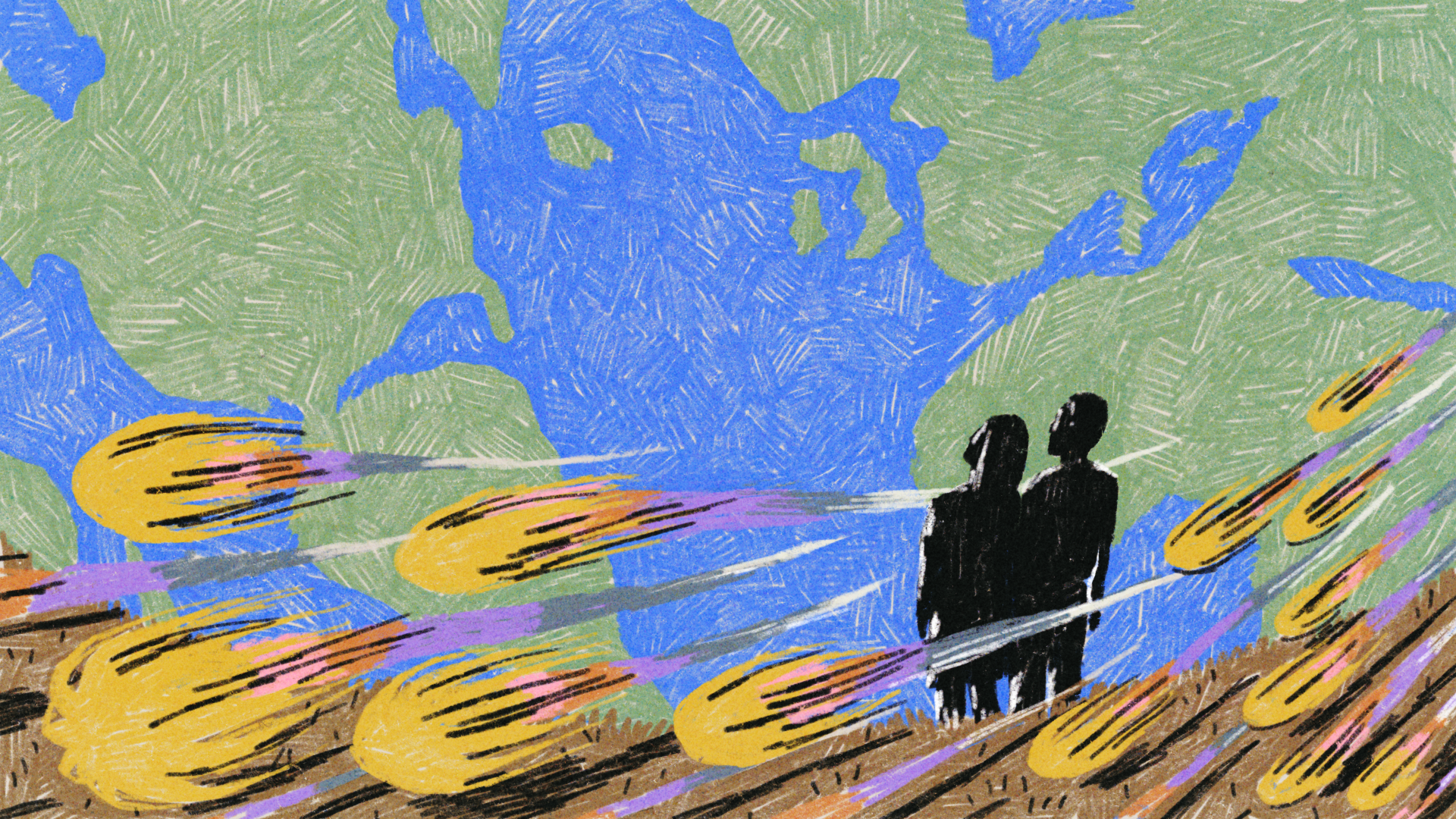
Over the past year, we heard moving stories of cogeneration built upon curiosity and care, relationships from which growth, belonging and creativity blossomed.
We heard sobering stories of harm, exclusion and judgment; conflicts that resulted in relational fractures along generational lines; and power dynamics that drove young people away.
We heard a celebration of love and connectedness across generations, and a lament when that connection is somehow hard to come by, broken or lost.
We heard a reassuring faith that the hunger we feel for these relationships, the deep inner knowing that we are incomplete without them, will always be with us.
The leaders we spoke with reminded us again and again that cogeneration isn’t a “nice to have,” separate from the spiritual mission of faith communities. It’s essential, woven into the very fabric of what makes spiritual life meaningful.
This shift in perspective – from occasional events to sustained culture change – requires honest reckoning with power dynamics, authentic work through conflict, repair from rupture and harm, and the patient cultivation of relationships that can weather difficulty and grow stronger through it. This work asks communities to move beyond symbolic inclusion toward genuine partnership and to embrace the spiritual discipline of learning across differences.
Religion and spirituality have always been about connecting us to timescales larger than our individual lives and to mysteries deeper than our individual understanding. Honoring what came before and nurturing what will endure beyond us. Wrestling with questions that have no easy answers – perennial questions of meaning, suffering, love and death that each generation must encounter anew.
Cogeneration makes these abstract truths concrete, embodied, and daily, creating places where ancient wisdom and emerging revelations from both older and younger generations can meet across difference and time.
The question isn’t whether faith communities should do cogenerational work, but whether they can remain relevant and life-giving without it.
The stakes are high. As the U.S. grapples with unprecedented social isolation and the decline of institutions that once fostered natural intergenerational connection, faith communities have both the infrastructure and the spiritual mandate to be a source of healing and renewal.
Realizing the potential of this multigenerational moment requires more than good intentions. It demands the courage to change, the humility to learn, and the faith that the work of mutual flourishing, however messy and slow, is both possible and sacred.
Participants
Name, Age, Organization
Acknowledgements
Credits
Research & Writing Eddie Gonzalez, Eunice Lin Nichols
Editing Stefanie Weiss
Project Manager Nicole Ewing
Communications & Outreach: Sarah Gibson
Graphic Design Meghan Armstrong
Illustration Harriet Yakub
Technical Support John Holdun and Gary Hume
Audio & Video S. Smith Patrick
Funder Templeton Religion Trust
Research Advisor Cal Halvorsen, PhD, MSW, Brown School at Washington University
Media Outreach Turn Two Communications
Media Inquiries Stefanie Weiss, [email protected]
Send questions to [email protected]