
Introduction
Young people are not a monolith. Gen Z (born between 1997 and 2012) holds a multitude of experiences – with nuances further defined by the rise of AI, polarization, and the global pandemic. This study anchors our effort to learn more about what younger Gen Zers – today’s teen leaders – want from older allies.
In 2023, a nationally representative survey of people ages 18 to 94, revealed older Gen Zers deep interest in working across generations – and difficulty in acting on that interest.
75.9% of Gen Z – a higher percentage than any other generation – say they wish they had more opportunities to work across generations for change.
But Gen Zers were more likely than any other generation to say they don’t know how to get started, can’t find opportunities to work across generations, and find it difficult to communicate with people of different generations.
Since then, CoGenerate released two qualitative studies, one asking young adults (ages 17-31) what they want from older allies, and the other asking older people (over 50) what they want from younger allies.
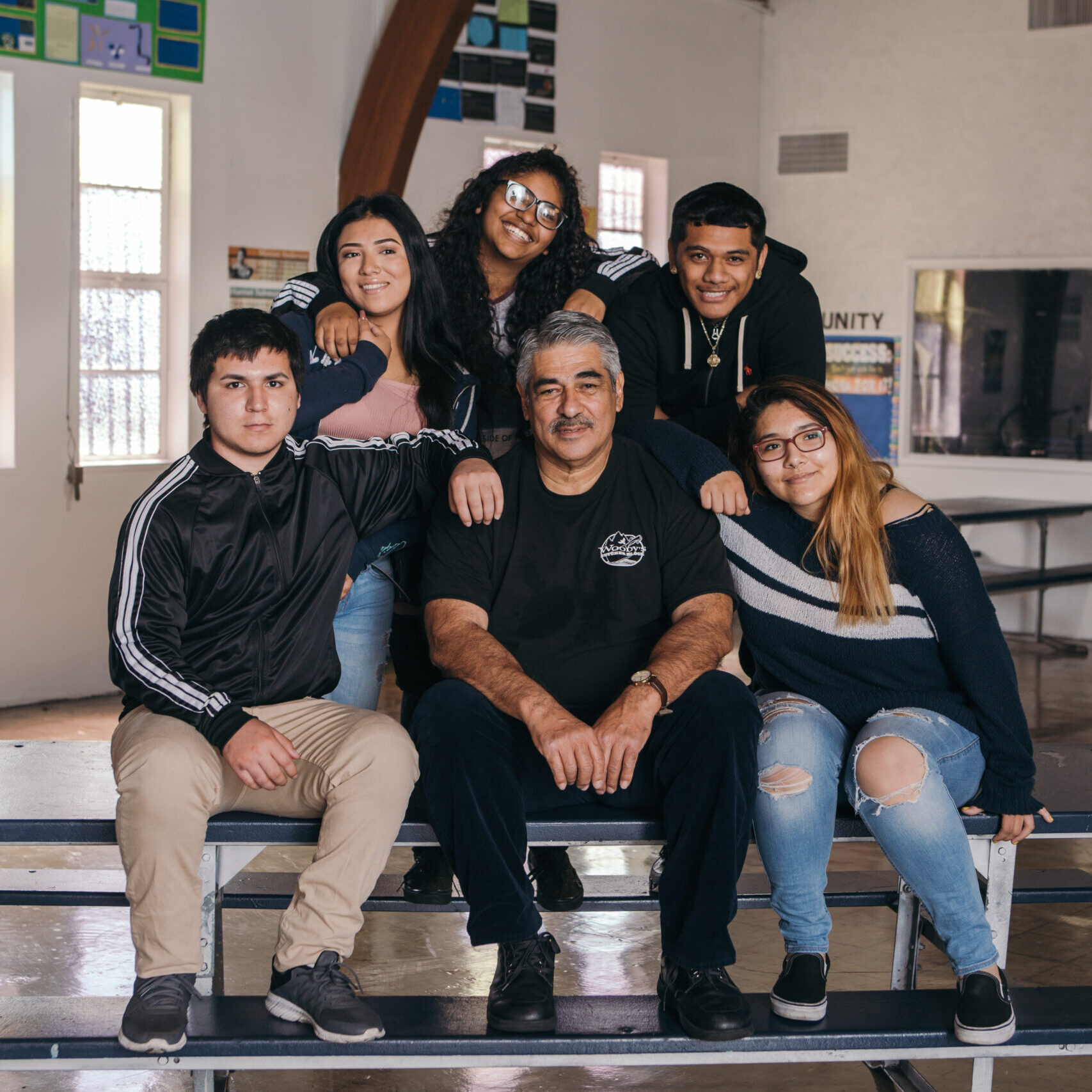
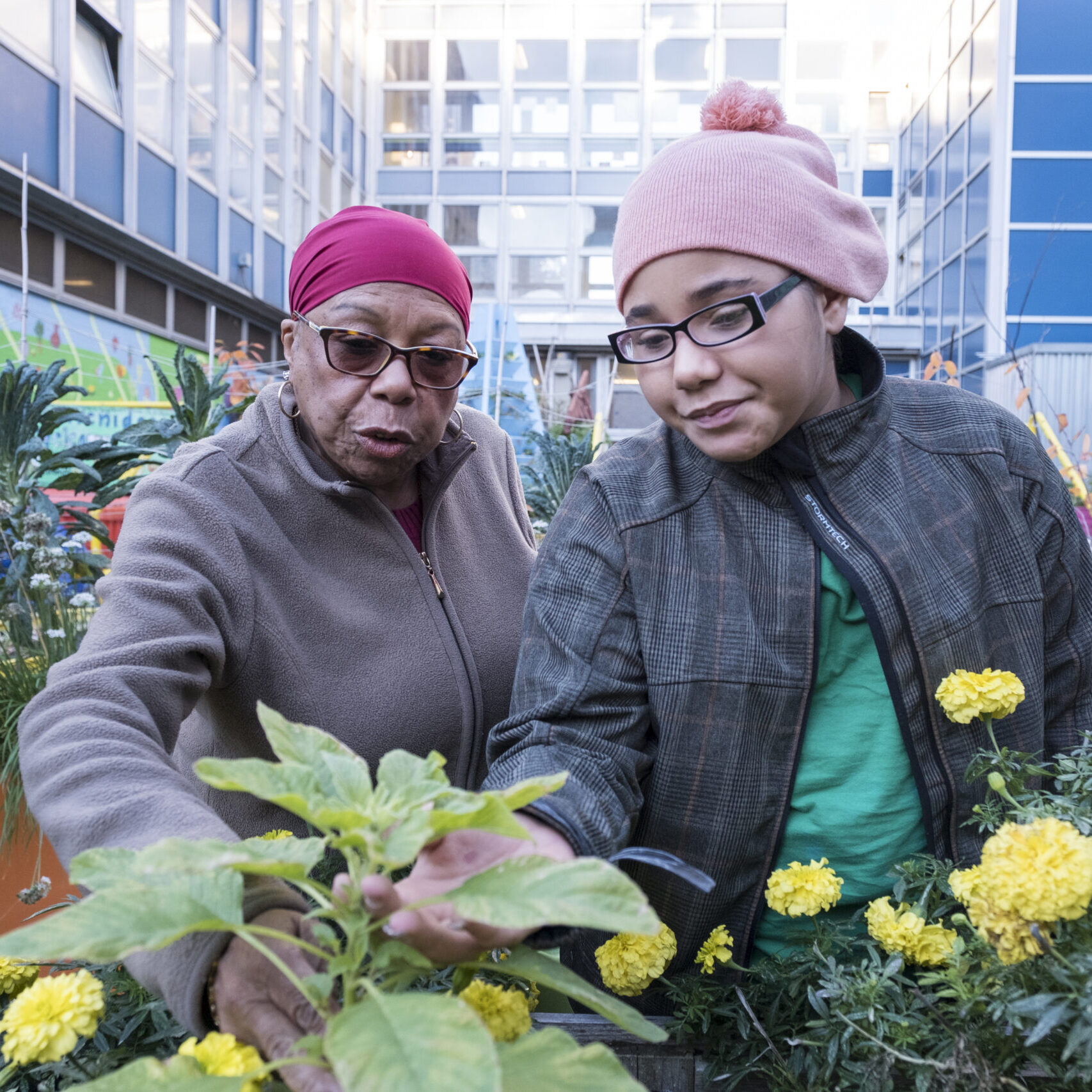
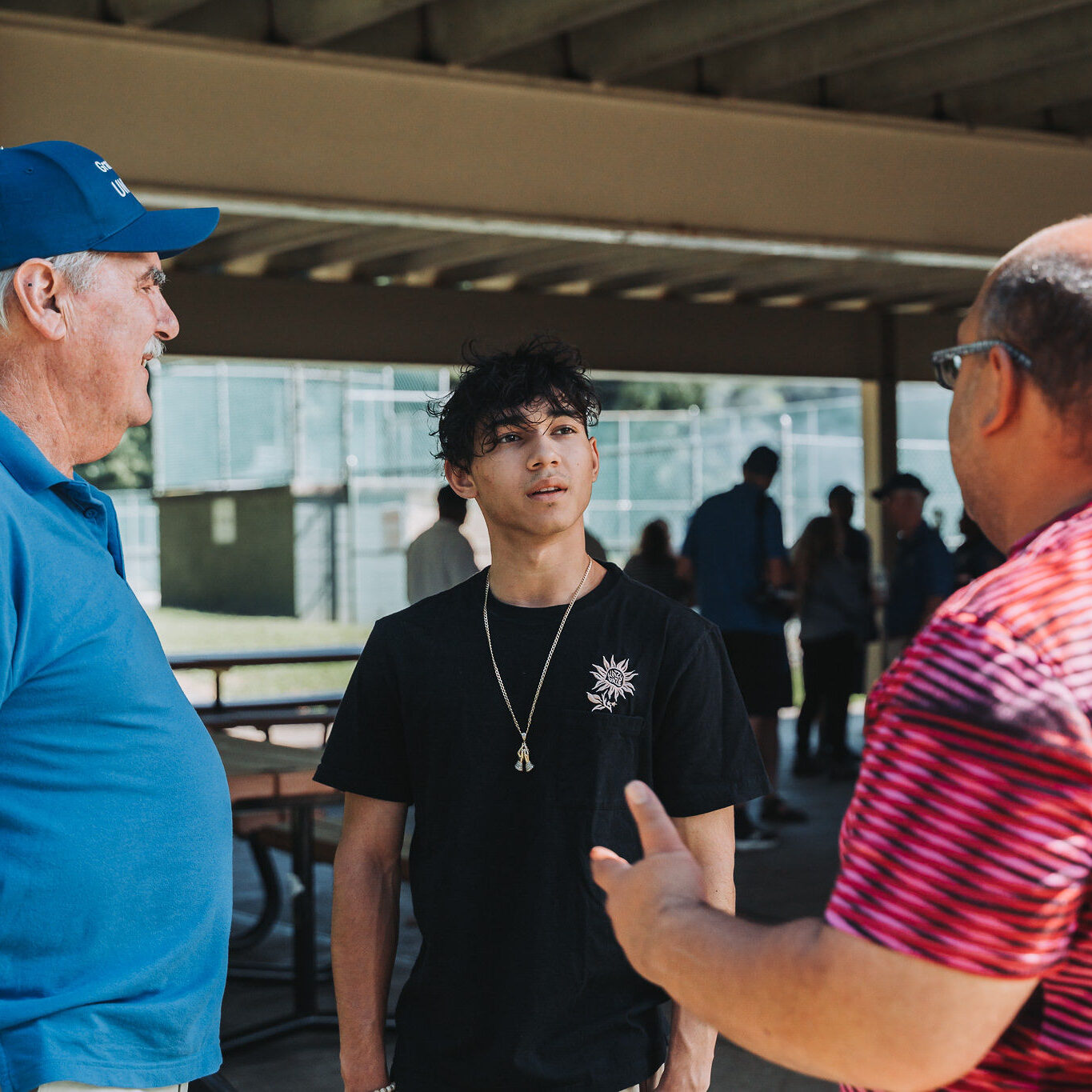
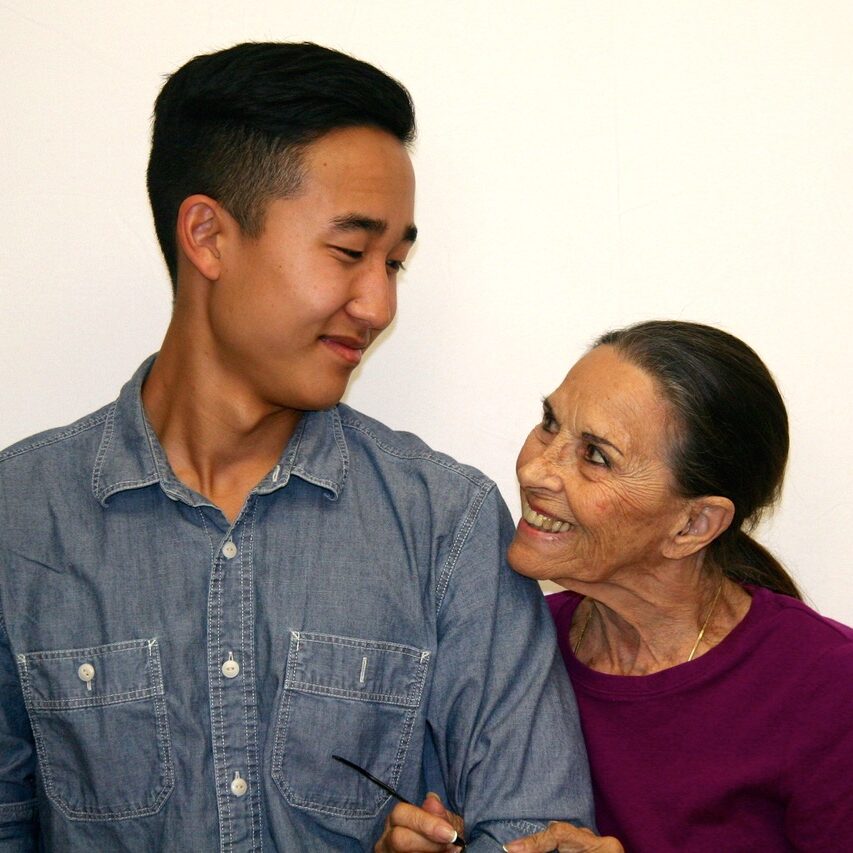
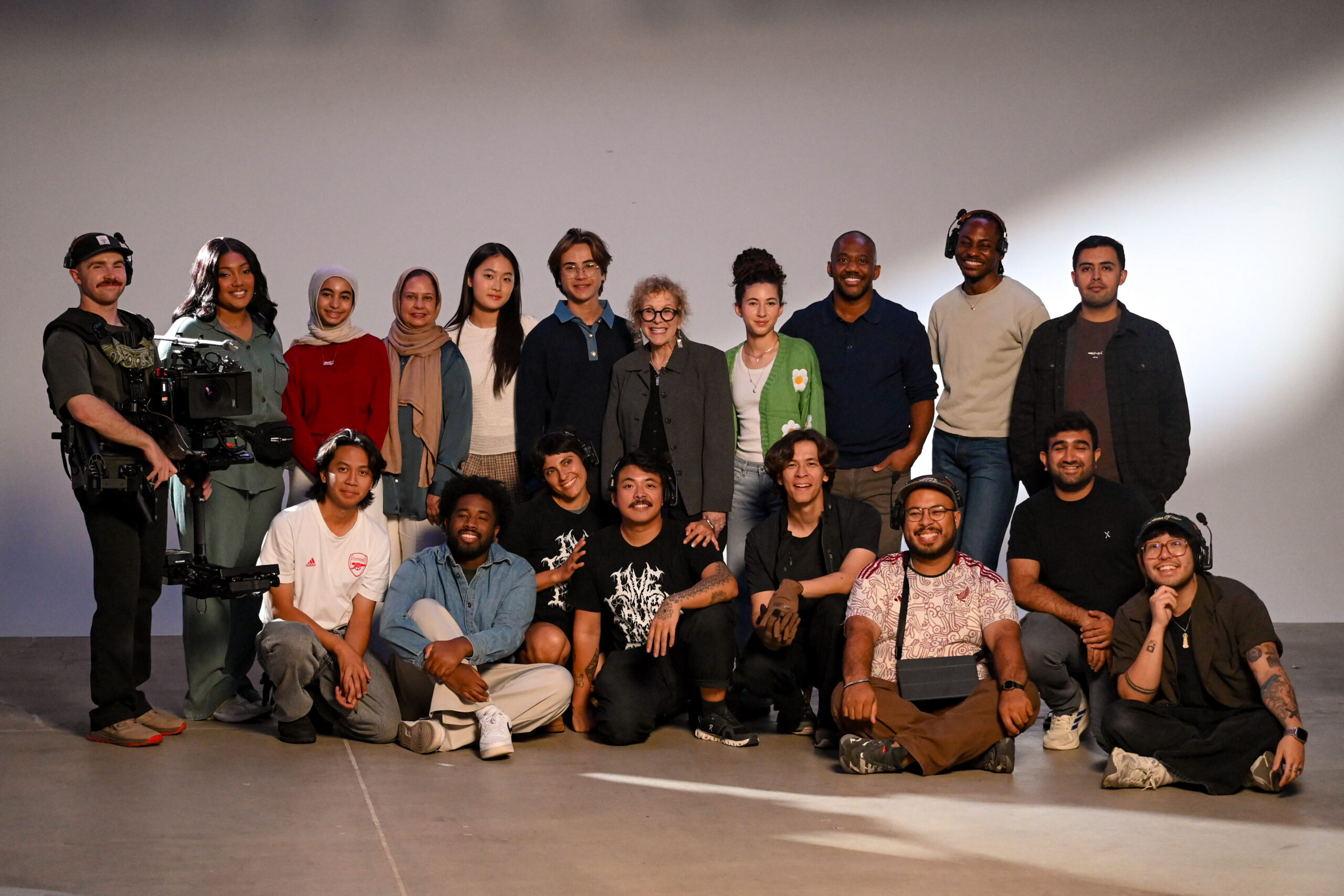
Seeking to learn more about what teen leaders want from older allies, this study was created in collaboration with 26 teens across the country (ages 12 to 19), diverse by geography, beliefs and identities. With teens involved in so many aspects of the work, this report itself exists as an example of the power of teens and older allies working together.
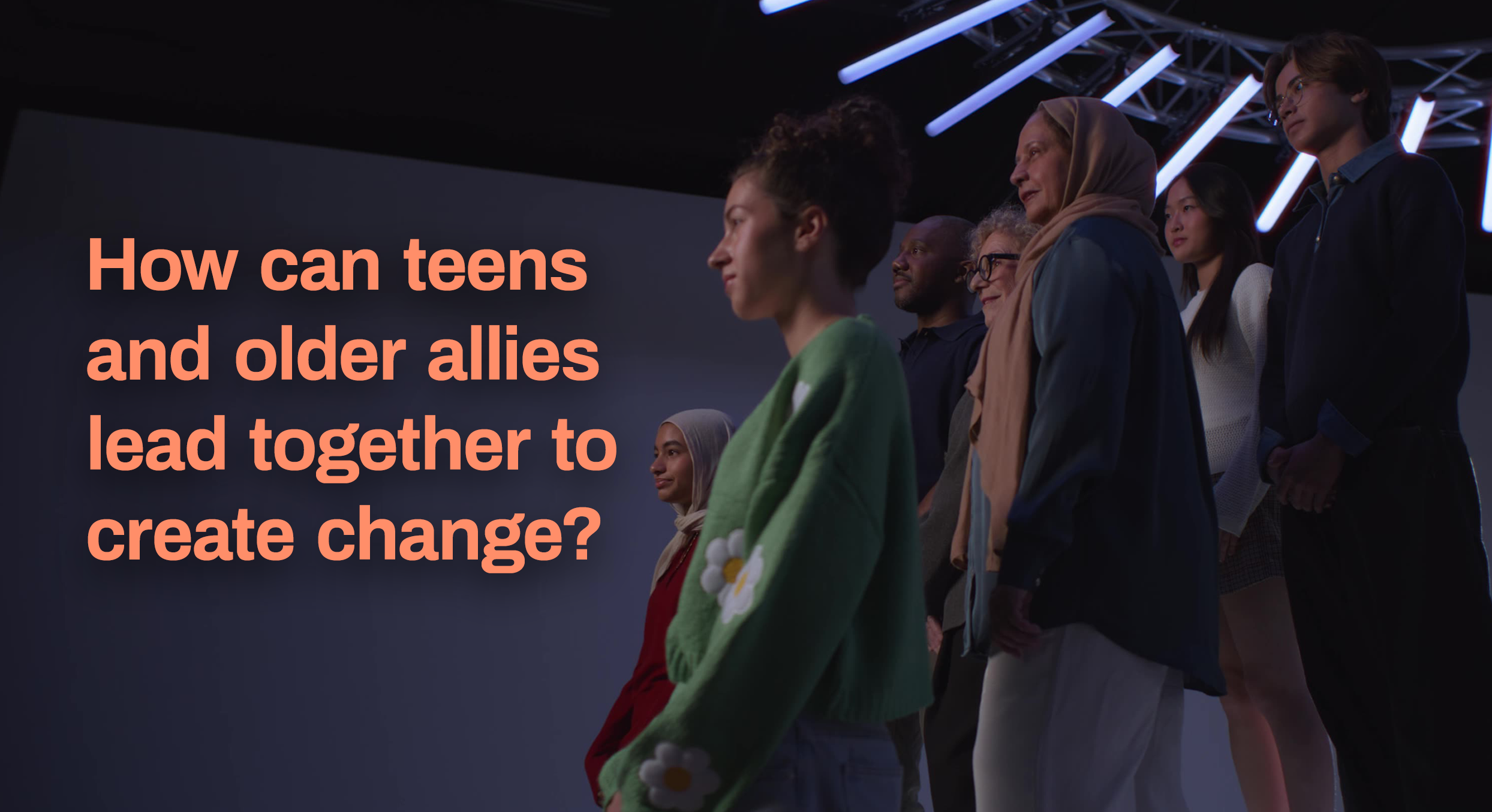
With this study, we issue a call to adults and youth-serving organizations to think differently – to move beyond one-way mentorship models and toward genuine, two-way partnerships where teens and older allies work side by side for change.
If you believe, as we do, that intergenerational partnerships can fight loneliness, bridge divides, and solve all kinds of big problems by bringing all kinds of talent to the table, then the time to start is now, with the teens who are ready – and eager – to work across generations for change.