Want to connect across generations? Join us:

Purpose Prize

The Latest from CoGenerate

Event Recording: Book Talk: Cogeneration in the Age of AI

Event Recording: Book Talk: Cogeneration in the Age of AI

Simple question: Do you miss human connection when you use self-checkout at the grocery store? Complex question: How is cogeneration threatened by AI, profit-driven “efficiencies,” and automation — and what can we do about it? Allison Pugh, author of the book The Last...

Putting Two Things Together

Putting Two Things Together

On Friday, May 15, I had the great honor to address the 2026 graduates of Drew University, including the undergraduate College of Liberal Arts, the Theological School, and the Caspersen School of Graduate Studies. I'm very grateful to Drew's remarkable President...

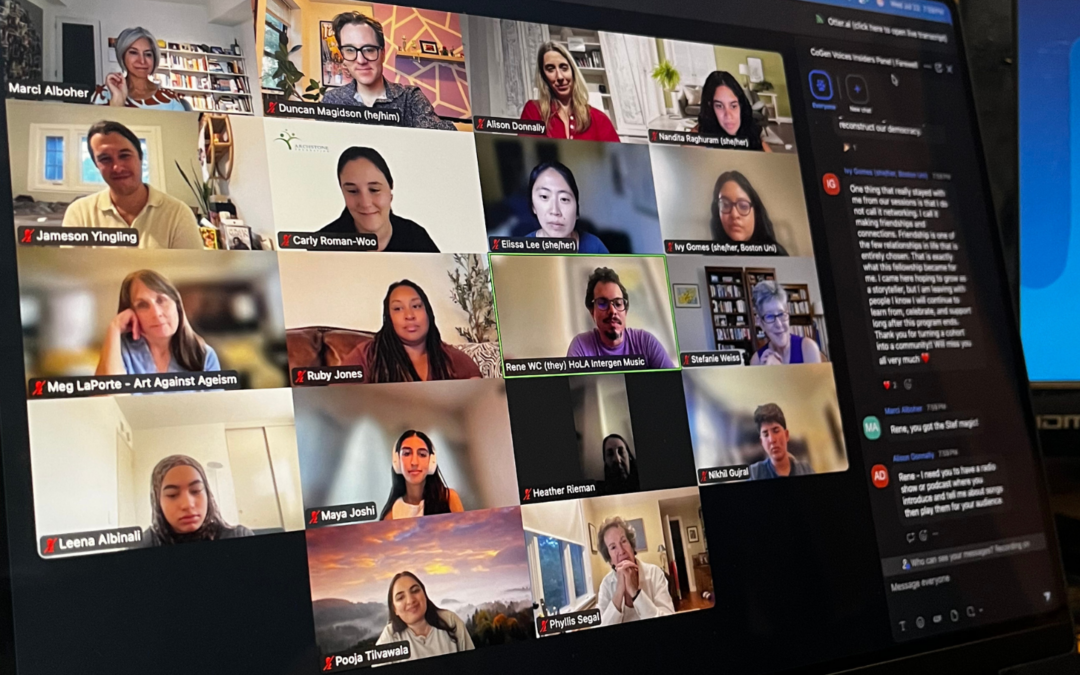
Introducing the CoGen Voices Fellows

Introducing the CoGen Voices Fellows

Across the country, young people and older people are stepping up as civic leaders. But too often, they do this critical work with peers, in age-segregated spaces. Young people work without the benefit of older generations who bring lived experience, networks, and a...

*

Earl Ofari Hutchinson

Los Angeles Urban Policy Roundtable
Purpose Prize Fellow 2006

Bringing together policy-makers, community leaders and activists

Earl Ofari Hutchinson is an author, political analyst, and syndicated columnist, and has written nine books on the African-American experience. He is one of Southern California’s leading public issues and social change activists and organizers. He founded the National Alliance for Positive Action and the Los Angeles Urban Policy Roundtable in April 2001. The organization’s goal is to inform, educate as well as engage residents, business leaders, elected officials, community activists in South Los Angeles in public dialogue on crucial public policy issues and effect public policy change on the problems of police misconduct, corporate discrimination, media stereotyping, hate crime violence, gender victimization, environmental destruction, public education deterioration, criminal justice system abuses, and economic and political empowerment. The action methods include: Internet media alerts, press conferences, press articles, media interviews, community walks, fax, phone calls and setter campaigns, and legislative lobbying.