The Take Home Book Program
Purpose Prize Fellow 2008
Fostering a culture of literacy in families with take-home books for children.
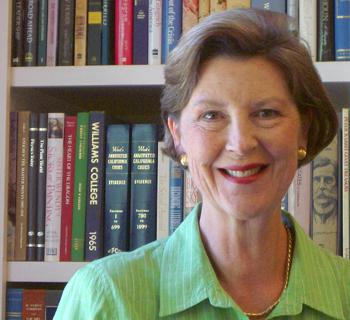
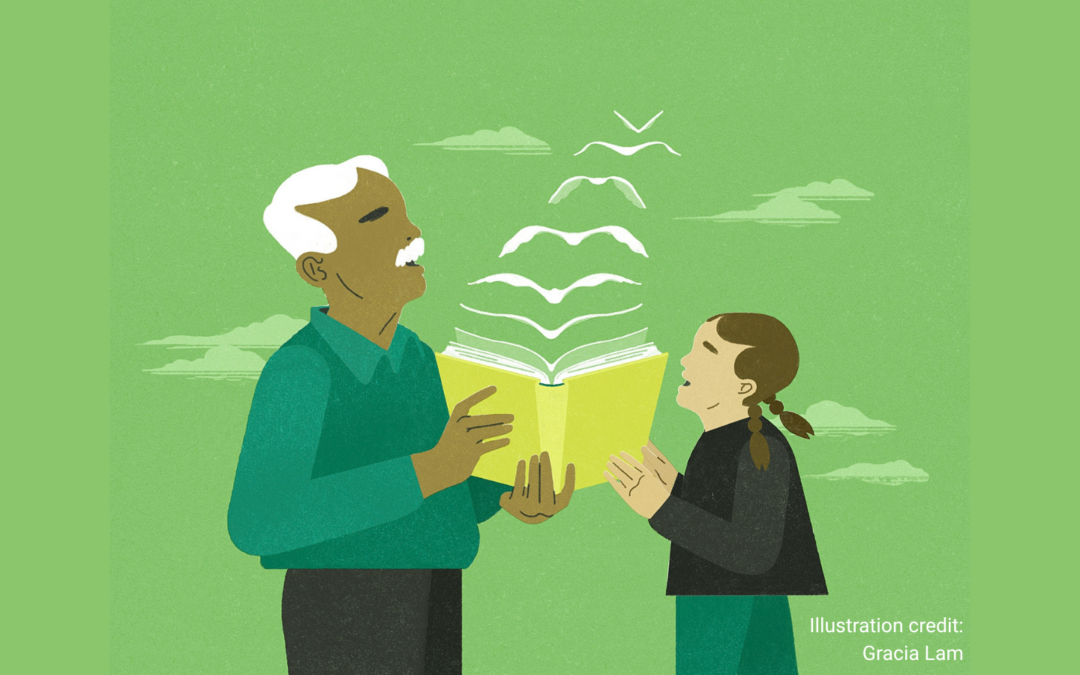
From her first day as a student teacher and through 30 years in education, Joan Wylie wanted to help disadvantaged students overcome the sense of failure they had from not having learned to read. In 1998, when she was 52, she led a collaborative of teachers focused on learning to read and was inspired to create the Take Home Book Program. Wylie saw the importance of parent involvement in helping their children develop the foundational skills needed for reading in primary grades. For $4 per child per year, each child takes a book home each week and parents read and reread it with them. The child draws a picture and writes a sentence in a journal about each story. Rereading, drawing, and writing develop comprehension and reinforce emerging skills. Stanford University’s evaluation shows a significant increase for participants over the control group in reading skills. The program has been replicated in 3,000 Bay Area classrooms. “On my first day of student teaching, I ushered my assigned reading group into their seats. I saw five little faces, just beginning their second semester of first grade, filled with dread. ‘What shall we call our group?’ I asked in an upbeat tone. Their answer: ‘Just call us the dumb ones.’ These children, with just a year and a half of schooling, saw themselves as finished. That experience put me on a journey that lasted 30 years.”