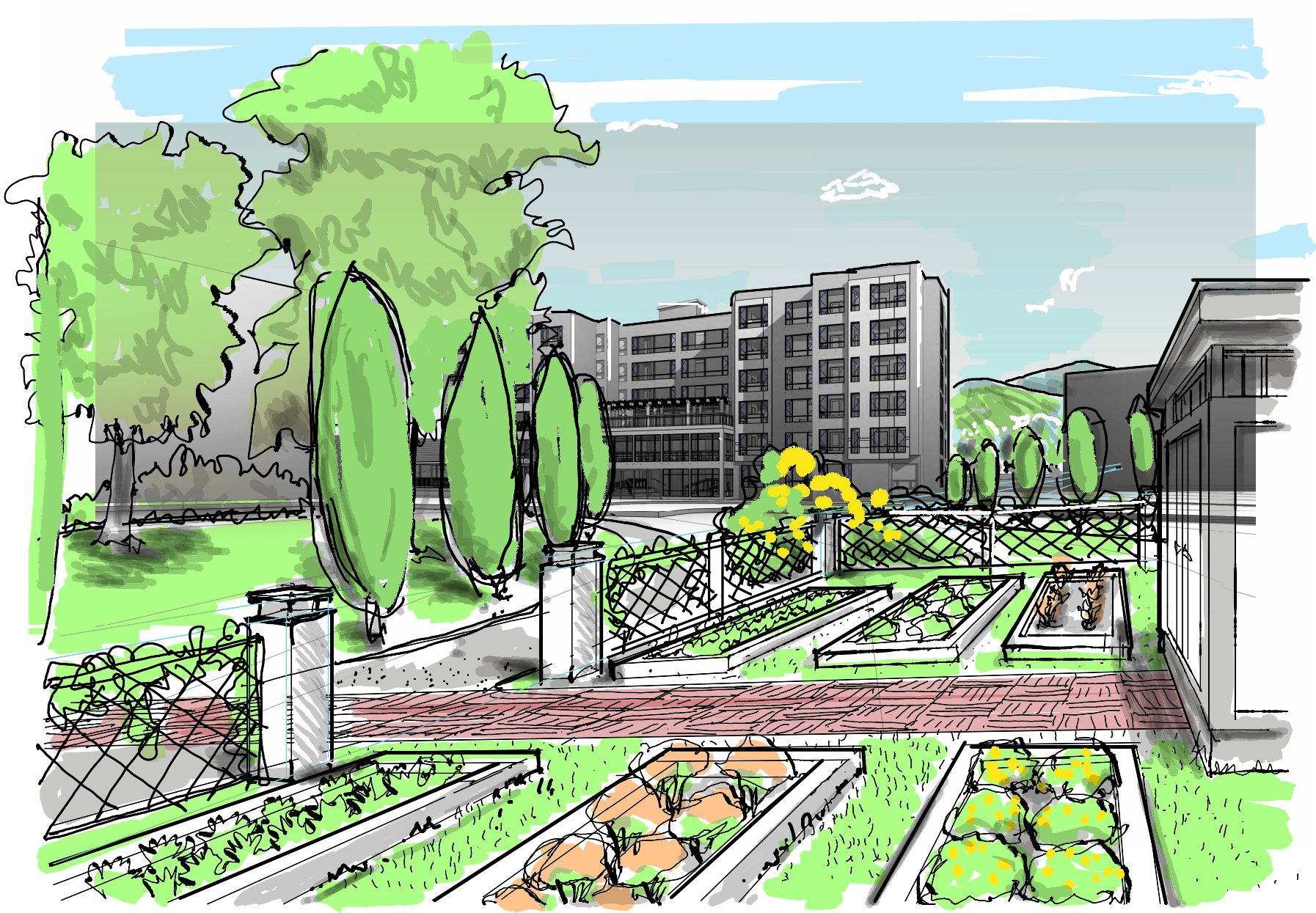
Today, the project – co-led by Rohde and the director of Frostburg State’s social work department Nancy Giunta – is coming to life. Called Cambridge Residences, the proposed plans combine affordable housing, workforce development programs, elder care services, and wellness programs for residents and community members.
By connecting generations on college campuses, the pair say they can “address housing shortages, build social connections, and strengthen workforce development, while revitalizing enrollment and expanding the purpose of higher education.”
The vacant, six-story residence hall could eventually contain 40 apartments for students, graduates, families, and older adults, plus a five-bedroom assisted living household for older residents who need additional care, and offices for the University’s social work department.
The pair also want to transform the adjacent campus quad – currently underused – into Cambridge Commons, an outdoor space with a community garden, playground, and other gathering spaces where generations can intermingle. Every resident could also be designated as a student and able to access on-campus dining, recreation, and cultural events.

Historically, local colleges and universities have served as anchors for education and innovation. Today, they can also become catalysts for intergenerational living, learning, and workforce development.
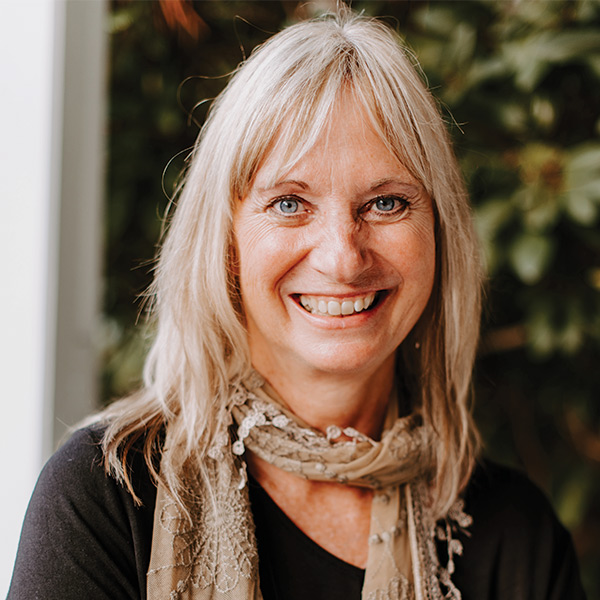
Jane Rohde
founder of Live Together, Inc.
What if campuses were places where people could just belong at every age?
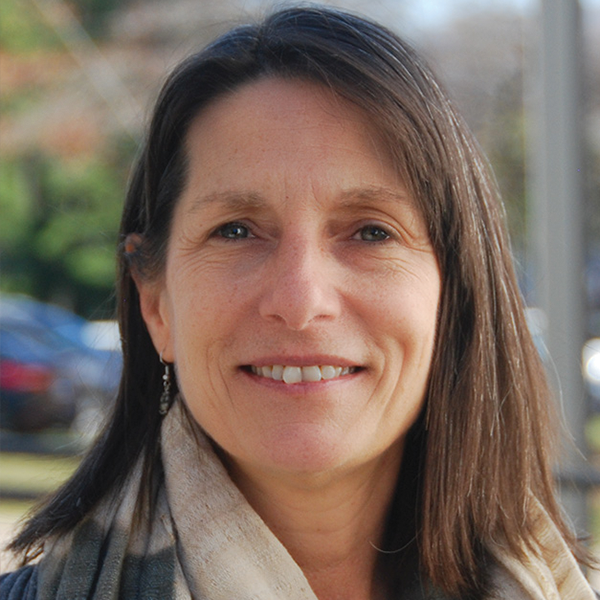
Nancy Giunta
Chair, Social Work Department Frostburg State University
“Historically, local colleges and universities have served as anchors for education and innovation,” Rohde and Giunta say. “Today, they can also become catalysts for intergenerational living, learning, and workforce development.”
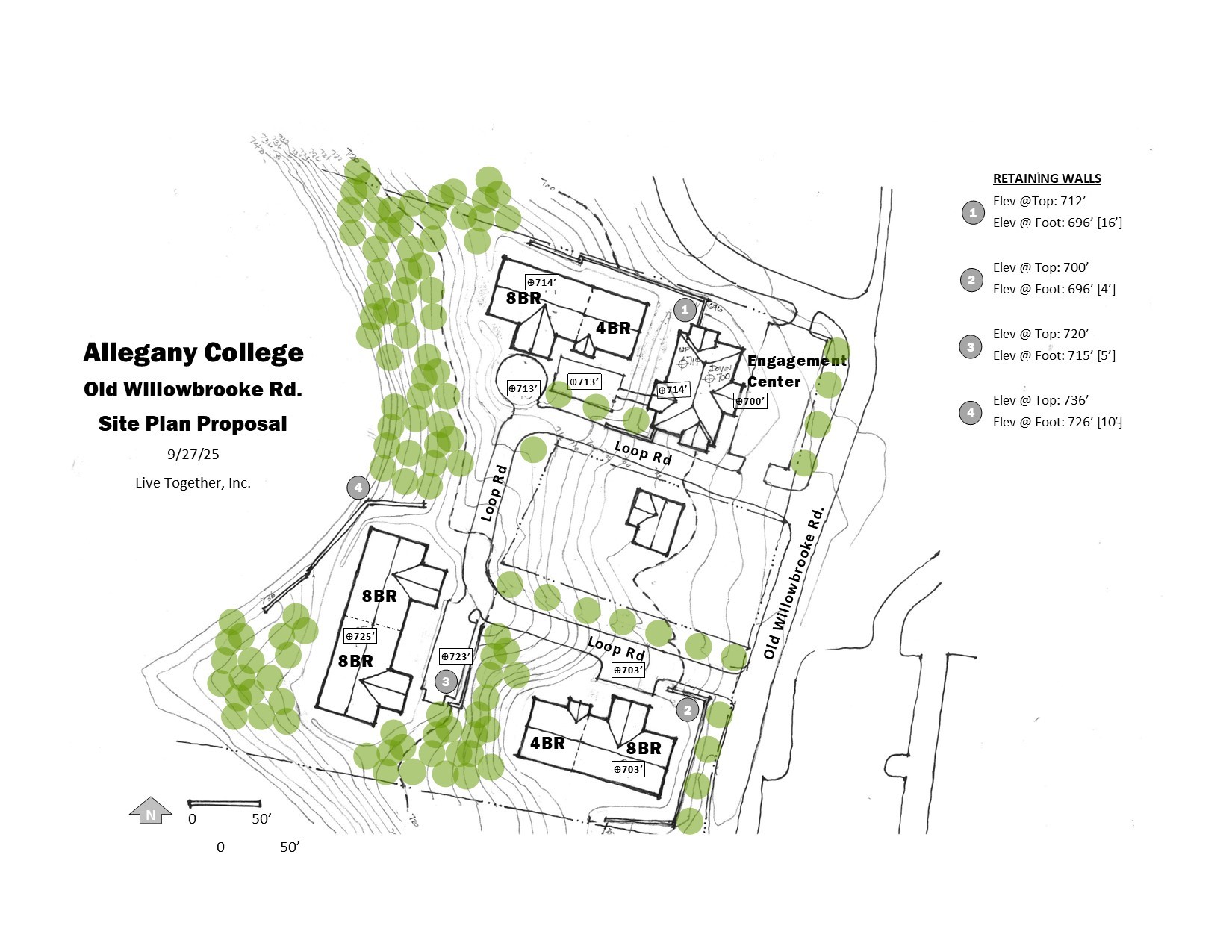
Cambridge Residences – and a parallel project they’re working on at Allegany College of Maryland – are answers to several interconnected problems currently unfolding across much of rural America: declining college enrollment, rapidly aging populations, brain drain, housing shortages, and loneliness. These conditions “threaten the vitality of rural higher education and the sustainability of the communities that surround them,” they explain.
Giunta and Rohde learned more about these problems and what services might appeal to county residents in a series of focus groups. They found that both young and old need care and services that aren’t available in the area.
Many elders, for example, said they don’t need to live in a nursing home but still require help getting groceries or mowing the lawn. Meanwhile, a younger interviewee who is a physical therapy student and single mom, said she needs backup childcare if her kid is sick or she has an appointment and her mom can’t help. Intergenerational living could provide that support.
Rohde and Giunta also found that young people are leaving the area because they can’t find affordable homes or adequate employment. Elders, too, want more housing. An older resident, for instance, said there were no small homes to downsize into, forcing her to leave the county.
At the same time, Allegany County is littered with empty lots and buildings in need of refurbishment. Cambridge Residences is one such building, and Giunta and Rohde hope it incentivizes people to stay in the community to continue their education, find jobs, and forge relationships.