In Boboc’s vision, these Labs will provide educational and social services – such as degree-granting programs, job training, counseling, and youth programs – within existing neighborhood recreation spaces or community centers. They’ll give older adults, displaced workers, adult learners, and youth access to education and employment opportunities, but will bring these services to them.
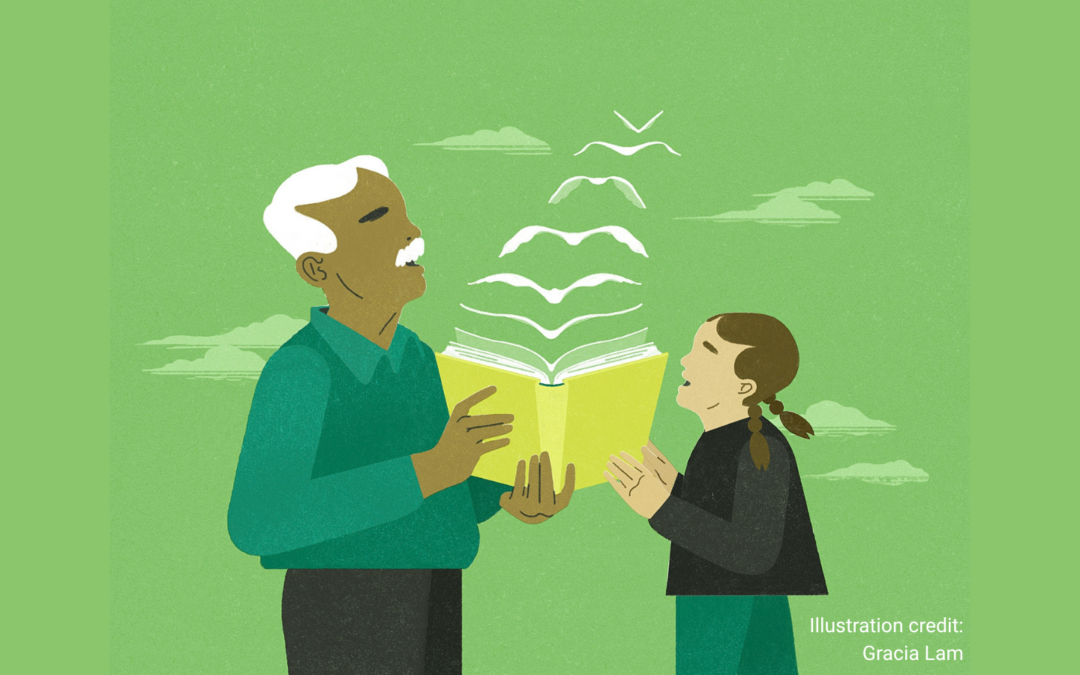
On top of that, the Labs will function as an intergenerational hub where community members of all ages can learn from and teach each other.
“Community Learning Labs are spaces where diverse life stages intersect with shared purpose, whether you’re earning a credential, exploring a new career, or gaining literacy skills,” says Boboc. “By creating a culture of learning that values everyone’s contribution, Community Learning Labs lay the groundwork for sustainable, community-rooted ecosystems of support where each generation uplifts the other.”

By creating a culture of learning that values everyone’s contribution, Community Learning Labs lay the groundwork for sustainable, community-rooted ecosystems of support where each generation uplifts the other.
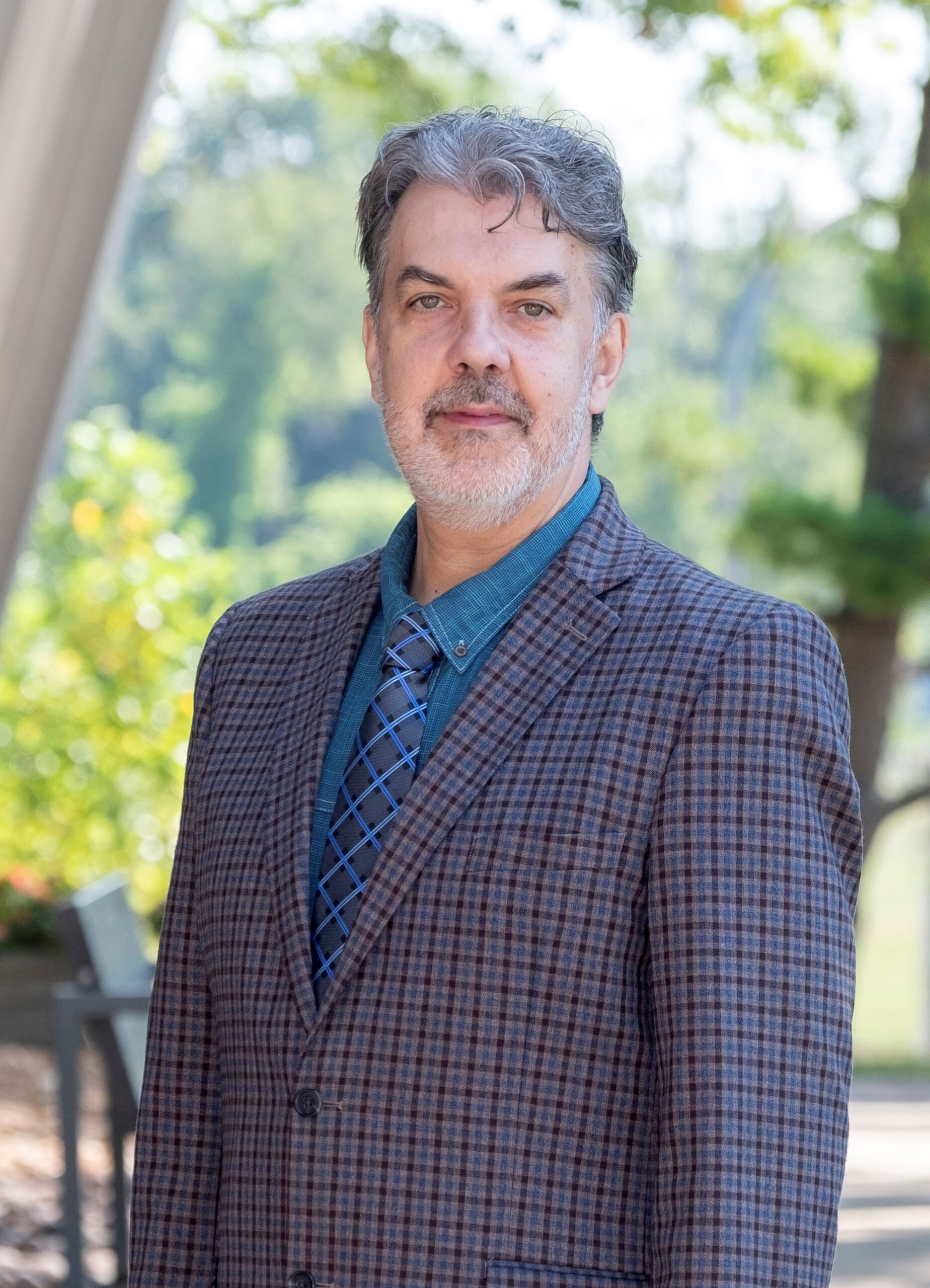
Marius Boboc
Dean of the College of Education, University of Missouri-St. Louis
As people live and work longer, they need access to lifelong learning, upskilling or reskilling opportunities. But, Boboc says, “displaced workers, older adults, and underemployed individuals are often excluded from traditional education and training due to challenges like caregiving responsibilities, limited transportation, reduced broadband access, and a history of educational disengagement.”
As Boboc explains, “Higher education must evolve to meet learners where they are, both physically and in life stage.”
The Labs will improve people’s access to education with flexible hours, accessible locations, childcare stipends, and wraparound services.
Boboc sees a typical day in a Community Learning Lab as a “flurry of activity.” A single location in the community might offer workforce development, upskilling classes, career advising, financial literacy workshops, tech training, after-school programs, mentoring, wellness classes, and mental health services.
In the same neighborhood rec center, for example, a middle schooler could receive tutoring, while a veteran learns Excel skills, and a grandparent earns a microcredential in data science. An older adult who comes to take a swim class could stay to help a high school student learn communication skills.
The variety of activities will encourage intergenerational connection. “These community-based hubs foster environments where knowledge, skills, and life experiences flow in both directions, Boboc says, “as generations learn, grow and serve together.”
Boboc also hopes to offer a system of “stackable credential pathways” that let participants move at their own pace. Someone could complete a construction management class, then take a course to receive a microcredential in construction site supervision at the same center, eventually getting a bachelor’s degree in engineering.
A Lab’s services won’t be one-size-fits-all, but adapted to meet the needs of the neighborhood. Boboc will work with community representatives to identify community strengths and needs, determine the right mix of services to address those needs, and eventually plan and design the Labs. “The intent is to take this idea to various communities so that they give it the flavor they want it to have,” he explains.
The Labs’ locations will also reflect this community-first ethos. Boboc hopes to use existing and trusted community sites with a range of physical infrastructure – pools, classrooms, basketball courts, and office space, for example – to accommodate a variety of services.
Boboc is still in the planning stages but has already received buy-in from the chancellor of the University of Missouri-St. Louis. He’s also presented the idea to several community partners, representatives from the mayor’s office, civic leaders, and urban planners in St. Louis. In order to understand community needs and how city agencies are working to address them, he’s attended neighborhood planning meetings and is partnering with St. Louis-based nonprofits such as A Red Circle and Beyond Housing.
Later this year, he plans to launch a pilot program where he’ll complete a feasibility study. Following that, he hopes to launch the Community Learning Labs in Spring 2027.
Eventually, Boboc believes the Community Learning Labs will become a scalable blueprint for community-specific, intergenerational learning. Beyond that, he hopes data from the Labs can be used to influence workforce and education policy, strengthening the case for more funding for community-based credentialing, expanded lifelong learning initiatives in underserved areas, and increased recognition of non-traditional learning journeys.
“These Labs position higher education as a responsive, community-anchored driver of social and economic mobility and social cohesion,” Boboc says. “They redefine access not as a gate to be crossed, but as a door open in the heart of the community.”
CoGenerate and the Stanford Center on Longevity recently named Community Learning Labs as one of six winners of the Big Ideas Challenge to Reimagine Higher Education. All winners have the potential to transform campuses into thriving centers for intergenerational collaboration and learning, while fostering economic opportunity, lifelong learning, and institutional sustainability. Learn more about the other winners.