Humans of VUU will bring students and faculty members together for conversations about a range of topics, including activism, resilience, education, caregiving, and social justice. The conversations will then be translated into civic projects, such as short films, podcasts, photographic essays and digital archives.
“In a time when higher education often compartmentalizes students and educators and privileges data over life experiences,” Freeman explains, “this initiative positions human stories as vital tools for promoting empathy, leadership and connection.” In her vision, higher education becomes a “living bridge between generations.”
Humans of VUU is, in part, a response to what Freeman sees as a growing disconnect in higher education – between age groups, and between academic knowledge and lived experience. At VUU, for example, students and older adults rarely connect in personal ways, she says. While there’s more camaraderie at VUU than at other universities where she has worked, relationships still tend to be transactional.

In a time when higher education often compartmentalizes students and educators and privileges data over life experiences, this initiative positions human stories as vital tools for promoting empathy, leadership and connection.
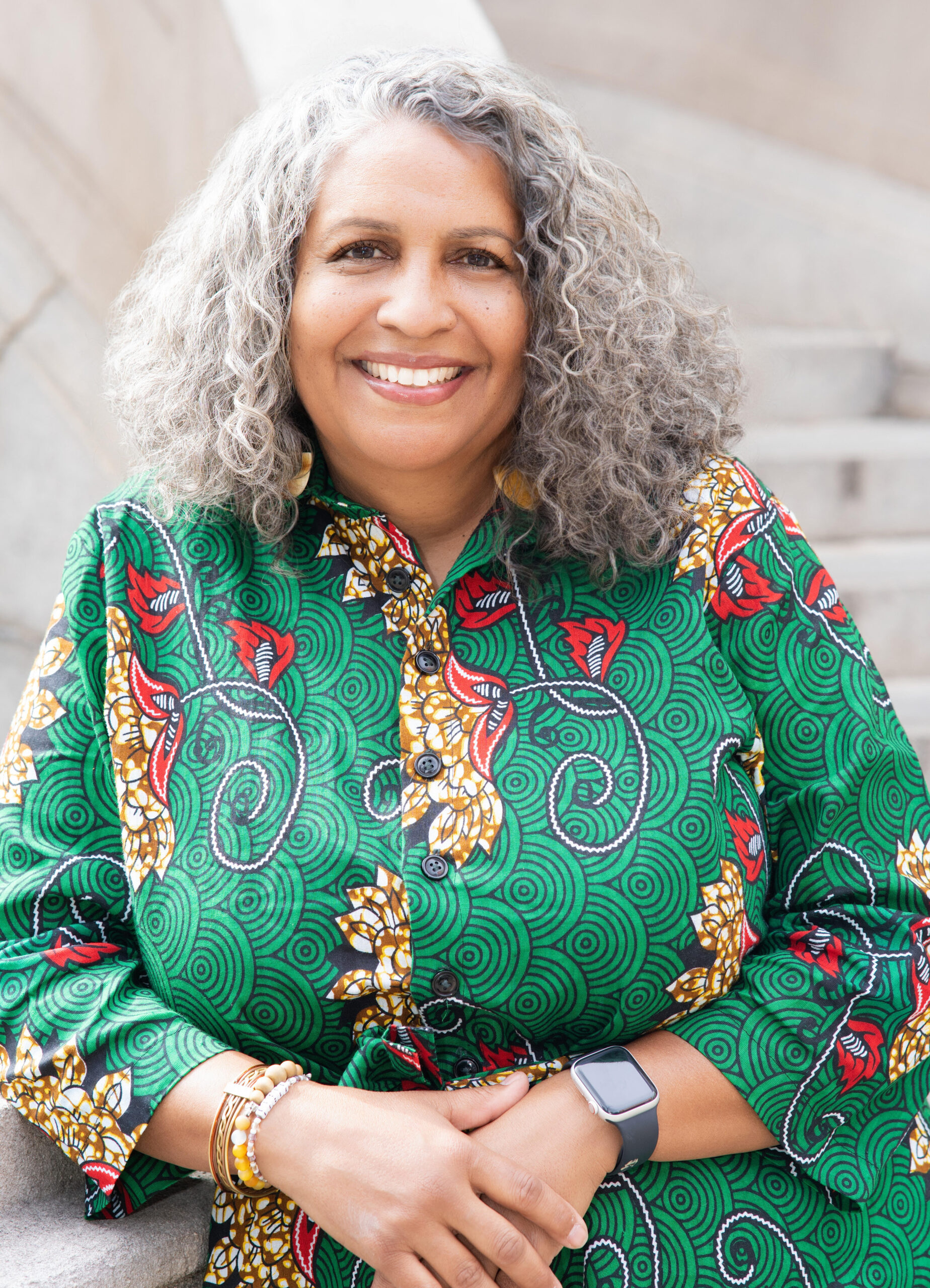
Hollee Freeman
Dean of the School of Arts and Sciences, Virginia Union University
As a result, “students often graduate without a sense of civic identity or belonging, while older adults — repositories of wisdom, resilience, and history — remain unheard,” Freeman explains.
VUU’s civil rights history, for example, could be told by people who lived it. In 1960, 34 VUU students walked into Thalhimer’s Department Store, staged a sit-in at the whites-only lunch counter, and were arrested. A docudrama about the Richmond 34 is being developed; Freeman wants Humans of VUU to provide vital context to the film. She also hopes the project will reveal the nuances of activism and justice, and help students relate to the event more personally by illuminating the individuals working on social justice then and now.
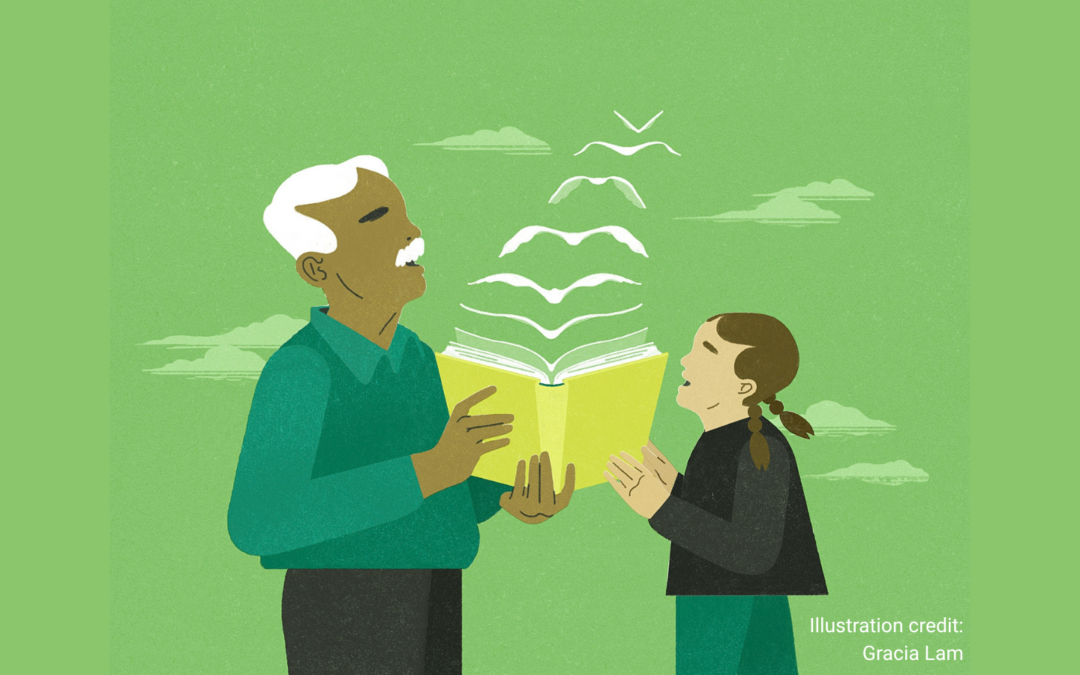
Through Humans of VUU, students will learn from older adults who experienced history first-hand. At the same time, older adults will learn students’ perspectives on current social issues and activism today. They’ll both gain a sense of purpose and value as their lived experiences are recognized as sources of knowledge. And they’ll leave with a deeper understanding of how someone of a different age thinks and experiences the world.
Freeman also hopes Humans of VUU can create what activist Myles Horton called “islands of decency” — small pockets of connection, empathy, and optimism that can slowly spread.
“Sharing these stories,” she explains, “can help people have more tentacles into each other at the university, so when hard stuff happens, you have a relationship to fall back on.”
Freeman is currently beta testing the program. She has recruited the first cohort of five pairs to participate and three pairs have completed their first interviews. Later this semester, participants will take part in an ethnographic exhibit showcasing their work and on-campus symposium to discuss their experience.
Using lessons learned from the beta test, Freeman will turn the project into a university class or community workshop — in coordination with the Mass Communications Department and the university library — where students and older adults also learn oral history methods, digital storytelling skills, and listening techniques. And while she is only tapping people associated with the university for the beta test, in future iterations, she hopes people from the surrounding community can participate.
Eventually, Freeman hopes the project will grow “into a campus-wide framework that embeds storytelling, oral history, and civic reflection into the fabric of teaching, research, and student life.”
Freeman imagines Humans of VUU evolving into an Intergenerational Learning Institute — “a regional hub where faculty, students, and community partners collaborate to document local histories, curate public exhibitions, and publish digital archives that preserve cultural memory.” The VUU Museum and Library could even house the films, podcasts, photographic essays, and oral histories that emerge so they’re accessible by educators, researchers, and policymakers. It could later expand into a national network of intergenerational learning hubs on campuses, museums, and libraries around the country.
Through Humans of VUU, universities cement their role as stewards of knowledge and both students and faculty see knowledge-sharing as a two-way street. “You don’t just learn from the elders,” Freeman explains.”Elders are also learning from the younger.
Ultimately, “higher education reclaims its public mission,” Freeman says, “to connect generations, cultivate empathy, and build communities resilient enough to learn from the past while shaping the future together.”
CoGenerate and the Stanford Center on Longevity recently named Humans of VUU: Conversations Across Generations as one of six winners of the Big Ideas Challenge to Reimagine Higher Education. All winners have the potential to transform campuses into thriving centers for intergenerational collaboration and learning, while fostering economic opportunity, lifelong learning, and institutional sustainability. Learn more about the other winners.