Why do you do the civic or community work that you do?
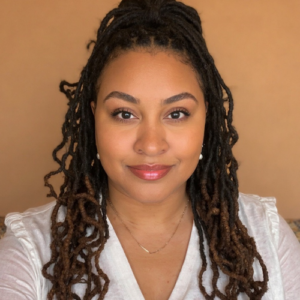 I do community work because I believe meaningful change happens when people feel seen, heard and connected to one another. Throughout my career as a journalist, nonprofit leader and community builder, I have seen how easily people can become disconnected from the decisions, institutions and narratives that shape their lives. I have also seen the power that emerges when communities are given the tools and opportunities to tell their own stories.
My work is guided by the belief that everyone has something valuable to contribute. Whether I am mentoring young people, supporting nonprofit leaders, serving on boards, creating storytelling initiatives or building spaces for civic dialogue, my goal is to help strengthen the connections between people, place and purpose.
As a mother of eight, I am especially motivated by the future we are creating for the next generation. I want young people to have a voice in shaping their communities, and I want older adults to remain valued contributors whose wisdom and experience continue to inform our collective future. Too often, people are excluded from important conversations and opportunities to contribute because of their age, background or circumstances. My work is about creating pathways for participation, belonging and shared leadership.
I do this work because I believe stronger communities are built when people are empowered to learn from one another, work together across differences and recognize that their stories and experiences matter.
How is cogeneration helping (or how will it help) you succeed?
Cogeneration has reinforced my belief that the best ideas are born when people from different generations come together as equals. Working alongside people of all ages has challenged my assumptions, expanded my perspective and strengthened my personal and professional goals.
As someone who works in journalism, civic engagement and community storytelling, I am always looking for ways to bridge divides and create deeper understanding. Cogeneration provides a framework for doing that successfully. Both younger and older people bring ideas, creativity, urgency and a willingness to question established norms. I’ve long believed that the historical context, lived experience, wisdom and perspective gained from intergenerational communication is invaluable. When all of these strengths are combined, the result is innovative and sustainable.
The CoGenerate community has reminded me that I am not alone in this work. It has connected me with people across the country who are committed to creating a future where age is not a barrier to participation, contribution or leadership. I have gained new ideas and greater confidence in my vision, and the relationships formed have led to practical strategies that I am already incorporating into my work.
Cogeneration helps me remain focused on building solutions with people instead of creating for them, based on what I think they want or need. That mindset is essential to the success of everything I hope to accomplish.
Got one tip to help other civic leaders collaborate more effectively with older or younger people?
Approach every interaction with curiosity rather than assumptions.
Often, people enter intergenerational spaces believing they are there to teach, mentor or persuade someone else. While sharing knowledge is important, meaningful collaboration begins when we recognize that everyone has something to learn. The most successful intergenerational relationships are built on mutual respect, not hierarchy.
My advice is to enter every conversation as a student. Ask questions. Listen more than you speak. Be willing to challenge your own assumptions. Instead of focusing on what makes generations different, focus on what each person brings to the table and how those strengths can complement one another.
When people feel genuinely heard and valued, trust develops. Once trust exists, collaboration becomes much easier. Instead of approaching intergenerational communication with the idea that all parties will reach agreement on every issue, the goal should be to create understanding, build relationships and identify opportunities where people can work together toward a shared purpose.
What’s something giving you joy or hope right now?
What gives me hope right now is knowing that there is a growing community of people who recognize the importance of intergenerational work and are actively investing their time, energy and creativity into making it successful.
For anyone working to create systems change, the journey can sometimes feel isolating and demotivating. It is easy to become discouraged by funding challenges, institutional barriers and the (perceived) slow pace of progress. Being part of a community that shares similar values and aspirations reminds me that I’m not working to solve these challenges alone.
I am also encouraged by indications that there is a broader cultural shift happening. Many long-standing assumptions about leadership, participation and power are being questioned. People are beginning to realize that complex challenges cannot be solved by one generation that holds all of the power and resources. We need perspectives, experiences and talents of people representing all ages.
Change is not guaranteed, but more people are choosing to be part of creating it. My hope is that we continue building systems that value contribution over age, collaboration over competition, and shared success over scarcity.