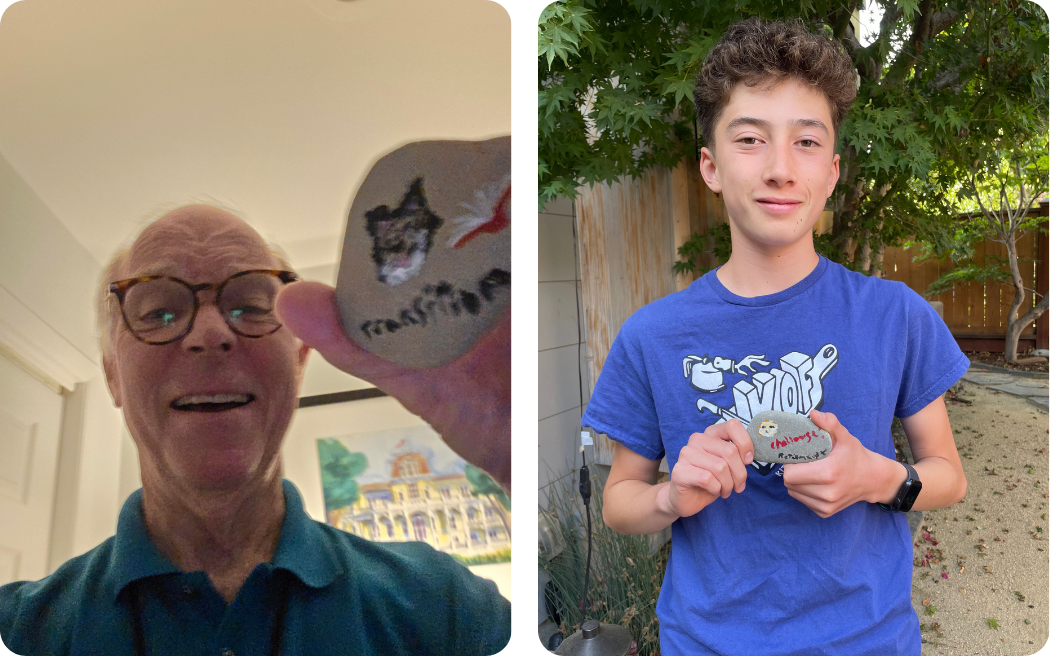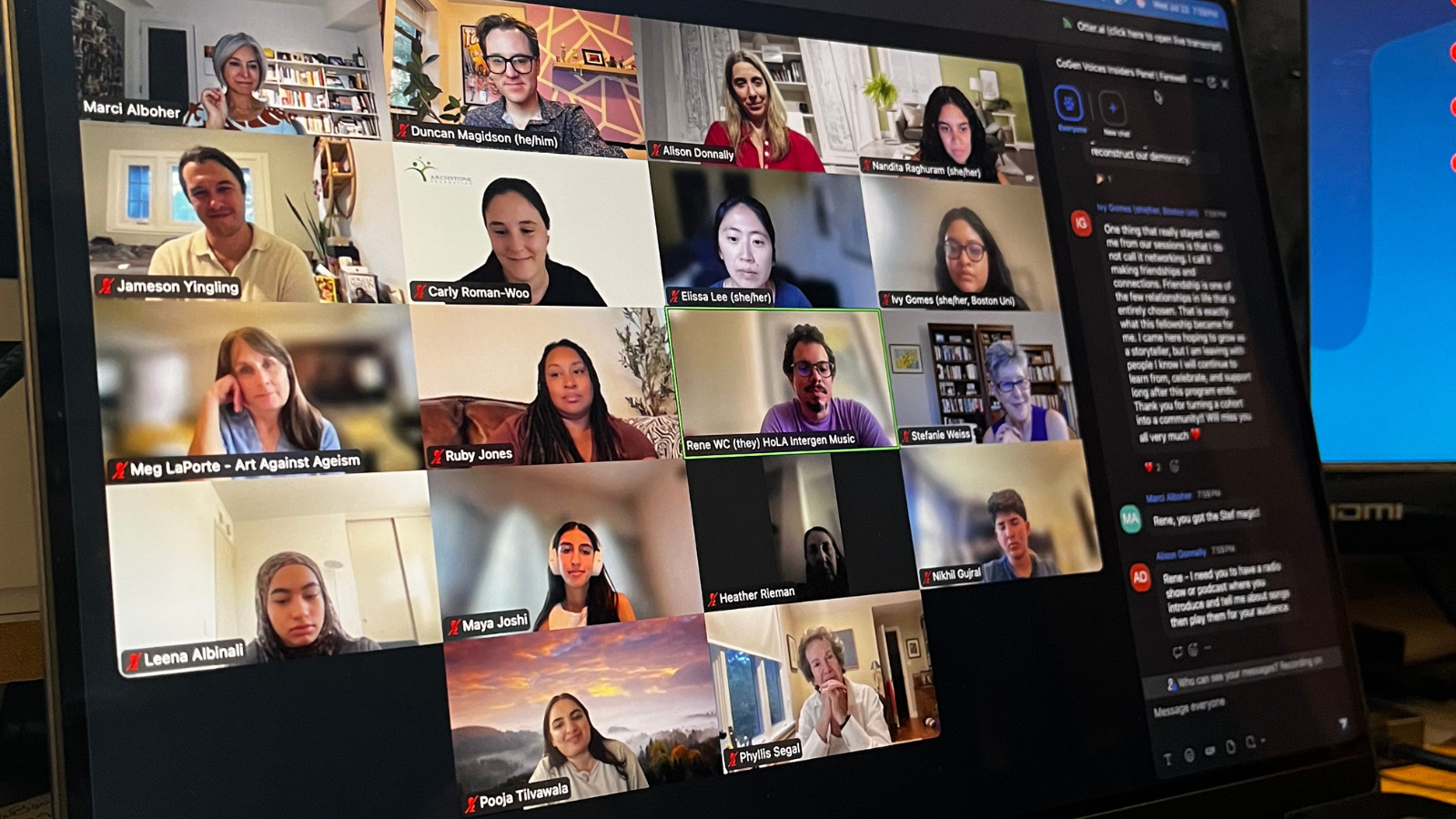
When we first began planning the CoGen Voices Fellowship, we knew we’d face a few challenges. The group of 21 community changemakers was intentionally diverse — by age (15 to 81!), race, location, work, experience, and more. We’d have to meet many different needs and goals to help each fellow hone the stories about intergenerational collaboration they wanted to tell. And we’d have to foster a sense of community and connection entirely on Zoom.
Half of the fellows were under 24, mostly students with schedules that changed mid-way through the fellowship as school gave way to summer internships and relocations. A handful were under 18 and required additional care to ensure their comfort and safety. Meanwhile, several of the older fellows were juggling caregiving, job stresses, health issues and the stuff of life that makes it easy to put public voice on the back burner.
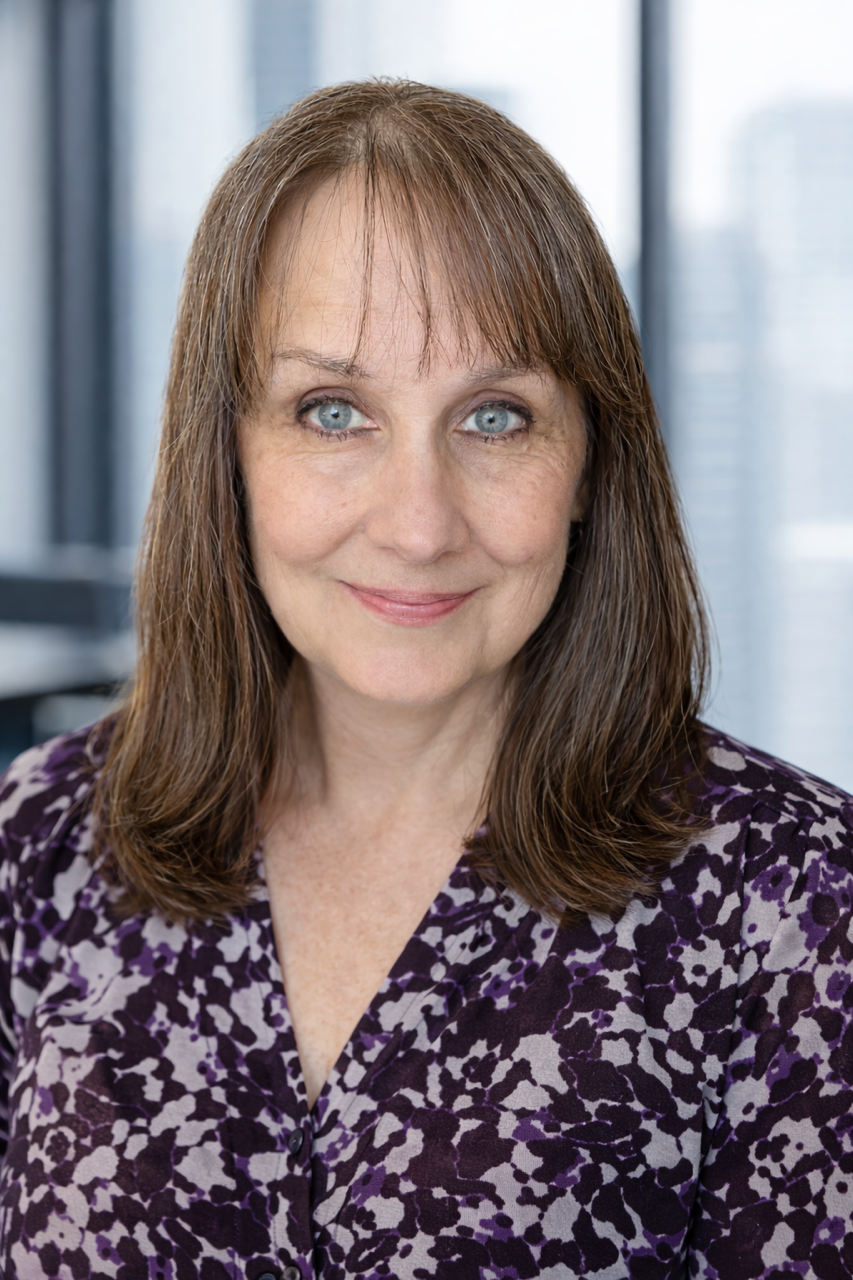
Plus, this was the first time the two of us collaborated on designing and facilitating a fellowship, so we were still getting to know each other’s strengths and work habits. Together, we have decades of experience as journalists and storytellers, but there is a considerable age gap between us (Marci is 60, and Nandita is 36). Would we wrestle with age-related tensions ourselves? Would we bring conflicting ideas about how ideas spread today?
Over the four months of the fellowship, we had a few key wins and some big opportunities to improve. For those leading fellowships, here’s what we learned about how to support a wildly diverse group of social change leaders.
1. Prioritizing connection is hard — but worth it.
We wrestled with how many different small-group offerings to include. After the first session, it became clear that fellows wanted more time with each other to form bonds, elevating their own knowledge and experience while learning from each other.
From then on, we created more time for small groups and 1:1s, while giving fellows opportunities to speak about their experience and expertise in large-group sessions.
We also offered opportunities to gather in different configurations, including age-related affinity groups, small-group coaching sessions, as well as deep-dives on social media and public speaking. Some fellows went to all; some only made it to a few. But these extra times were where the deeper connections were made.
Although prioritizing connection was our biggest challenge, it also turned into our biggest win. Crucially, fellows formed connections across generations that are likely to last, and we’ve seen relationships and collaborations take root (including a short film we can’t wait to see and share!).

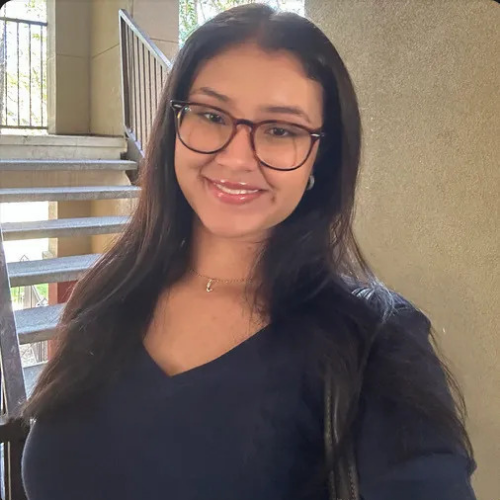
The fellowship gave me a thoughtful community that strengthened my voice while showing me how much more powerful our ideas can become when we develop them in relationship with others.
IVY GOMES
Boston University student
2. Leadership can be lonely. Peers help.
People bringing others together across age divides don’t have enough opportunities to collaborate with others who share their passion for intergenerational connection. This fellowship was designed to solve that problem, and included opportunities for people to meet with same-age peers and like-minded leaders from different generations.
We often heard from leaders (especially the youngers in our cohort) who felt like they were the only ones advocating for intergenerational collaboration and/or the only one of their generation in the room. Listening to and learning from same-age peers was a refreshing change.
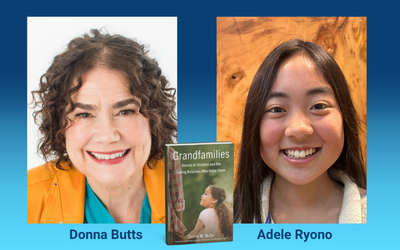
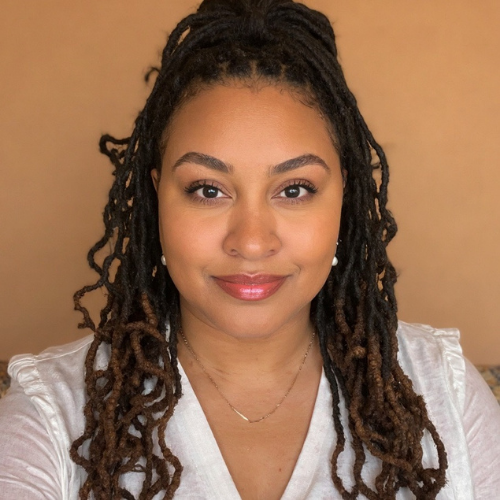
It’s surprising how so many of us are thinking about the same problems and arriving at similar solutions. A lot of the time, I think we have a tendency to believe that no one else sees things the way we do. And yes, to some extent, that’s true. But it’s also true that there are probably far more people than we realize who share our ideas.
ADELE RYONO
Founder, reGenerations
3. We are all ageist.
Even as leaders in the aging and cogeneration space, we find ourselves commenting and behaving in ways that reveal age-related stereotypes. We still say things, like “At your age, I wasn’t doing x!” and “That’s remarkable for her age,” when we know we can all be remarkable regardless of age. It’s an example of adultism – something that both olders and youngers can be guilty of.
Older fellows told us they didn’t always feel comfortable calling out ageist comments or assumptions. It’s a reminder that we need to build community spaces where we allow discomfort, acknowledge our biases, and commit to doing better.
Just because someone is in a generational partnership doesn’t mean there’s not ageism and implicit bias.
JORDAN EVANS
Co-founder, Art Against Ageism
4. In narrative-change work, patience matters.
When we launched CoGen Voices, we hoped to have dozens of examples of fellows’ work ready to share by the end of the cohort. It’s taken more time than we expected to get the fellows’ stories out into the world.
In part, that’s because of the current media landscape: With layoffs and outlet closures there are fewer opportunities to publish. Also, it takes time and hard work to find your story and tell it in a clear, compelling way for different platforms.
While our work with these fellows is ongoing, many are already sharing their ideas on significant platforms including SF Chronicle, Business Insider, and AARP. Two fellows are collaborating on a short film that already has modest financial backing. And eight of the young fellows will have essays published in the American Society on Aging’s Generations journal in March of 2027.
Others have pitches circulating or essays being edited, and we will continue to work with these.
Sometimes you send the email and never hear back. Being around people who have kept going through all of that has been reassuring. It makes me feel more confident that if you care about the work and stay committed to it, something good eventually comes from it.
LAURA GOMEZ
Middlebury College student
5. Age gaps can matter. Or not.
We [Nandita and Marci] began our partnership assuming that our age difference might give us conflicting perspectives on how to use public voice in the evolving media world. That generational difference rarely came up. Our shared journalism background and common interests meant that we have similar media diets. We also share a sense of openness and a willingness to challenge our beliefs.
On the other hand, we had to get to know each other, and the strengths each of us could bring to our partnership – Nandita as an experienced editor with recent newsroom experience, Marci with more experience around cogeneration and facilitation. This matches all we know about older and younger collaborations – when you share a purpose, age doesn’t often show up as the biggest difference.
The fellows felt this too, sharing how many similarities they found with people across the age divide.
Being able to exchange thoughts with people on all points of the age spectrum was unique. Instead of just dismissing things I may not have always agreed with, I had to listen to their perspectives and it was fascinating to me how much I learned.
RUBY JONES
President, Empower Media Exchange
6. Music connects us.
We opened and closed each session with a song – usually a duet – that showed cogeneration in action. (You can watch or listen to the full playlist here.) With decades between the oldest and youngest members of our group, music provided a fantastic way to start getting to know each other.
When fellows heard Beyonce covering Dolly Parton’s Jolene — and putting her own spin on it — they couldn’t help thinking and talking about where they were when they first heard Dolly or Beyonce. (RIP to Dolly, one of the biggest icons of cogeneration.)
It was clear this practice united the group.
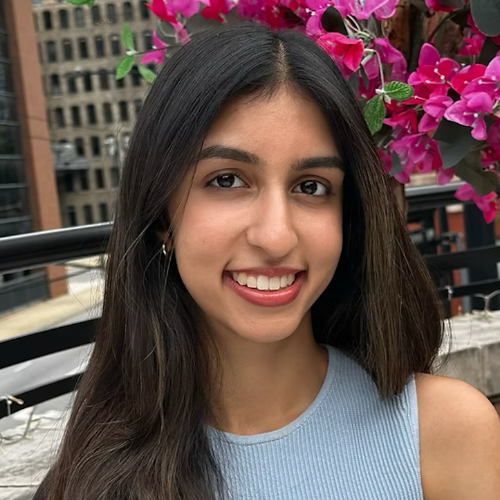
I have to give a shoutout to whoever brainstormed the idea to play cogenerational music at the start of the session. Really cool idea and definitely inspired me to work on a playlist of cogenerationally produced songs.
MAYA JOSHI
Founder, Lifting Hearts with the Arts
7. Mid-course corrections are OK — even welcome.
The media landscape is constantly in flux, so designing a fellowship focused on public voice kept us on our toes. Case in point: Two topics kept coming up in small- and large-group meetings: AI and social media.
Since we had an open session with no conversation topic planned, we polled fellows (they were interested!) and slotted in time to discuss both. The resulting conversation about technology, social media and public voice reflected changing norms and gave fellows space to explore their own views and experiences.
I found myself identifying with others who said they feel overly attached to social media and are trying to reduce our use of it as well as of our phones. I think the discussion demonstrated that while we are diverse in ages, our cohort is more alike in ways that we are typically seen as being different.
MEG LAPORTE
Co-founder, Art Against Ageism
We’re currently designing the next iterations of CoGen Voices. The guests we feature and topics we discuss will change. New issues will emerge and we’ll be ready to adapt. Above all, the expertise, interests and experience of the fellows will dictate our focus.
If you’d like to bring CoGen Voices to a community or network you lead, let’s talk! Send email to [email protected].